
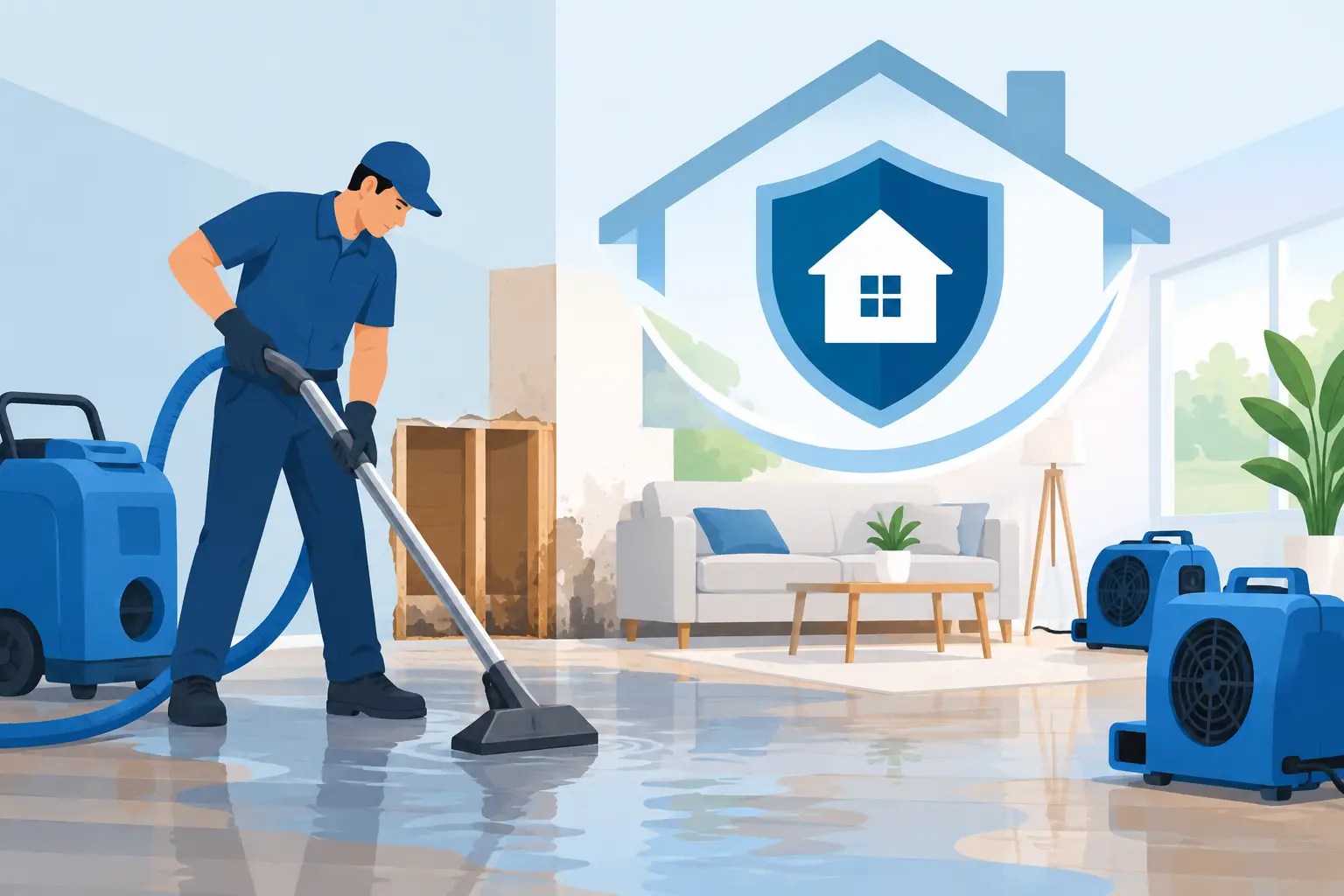
A flooded basement, overflowing toilet, or hidden pipe leak can turn a normal day into a stressful mess fast. The water may be visible, but the bigger concern is what has already soaked into flooring, drywall, insulation, and wood framing. That is where experienced restoration firms make a real difference. They do more than remove standing water. They identify the source, clean affected areas, dry the structure, and help stop mold and further damage from taking hold.
For homeowners in Mason and nearby communities, fast action matters. Water moves behind walls, under cabinets, and beneath flooring long before the damage is obvious. Waiting for surfaces to dry on their own can leave moisture trapped where it causes odors, warped materials, weakened drywall, and microbial growth.
What Restoration Firms Do After Water Damage
A qualified restoration company is built to handle the full scope of a property emergency. The work begins with an assessment of where the water came from, what materials are affected, and whether the situation involves clean water, contaminated water, or sewage.
A supply line leak may be a relatively clean-water issue at first, but it still needs proper extraction and drying. A drain backup, toilet overflow, or sewage spill is more serious because it can expose your home to harmful contaminants. In those cases, cleanup requires controlled removal of affected materials, detailed cleaning, and disinfection before the space can be safely restored.
The goal is not simply to make a room look dry. Professional technicians use moisture meters, thermal imaging when needed, commercial dehumidifiers, air movers, and water extraction equipment to locate and remove moisture from building materials. This process is called structural drying, and it is one of the most important parts of limiting the damage after a flood or leak.
Why Fast Water Cleanup Matters
Water damage becomes more expensive when it is allowed to sit. Carpet padding can stay saturated even when the carpet surface feels dry. Drywall can wick water upward from the floor. Cabinets, baseboards, and subflooring can hold moisture where homeowners cannot see it.
Mold can begin growing in damp conditions within a short period of time. Not every water event leads to a mold problem, but the risk increases when drying is delayed or incomplete. That is why a professional response focuses on removing water and confirming that moisture levels have returned to an acceptable range.
Quick cleanup can also help preserve materials that might otherwise need replacement. Depending on the water category, how long it sat, and what it contacted, a restoration team may be able to dry flooring, walls, and contents instead of tearing everything out. However, there are times when removal is the safer choice, especially after sewage contamination or when materials are swollen, damaged, or showing mold growth.
Signs You Need Professional Help
Some water problems are obvious, such as several inches of water in a basement. Others are easier to miss. A musty smell after a small leak, bubbling paint, soft drywall, stained ceilings, warped laminate flooring, or a bathroom cabinet that feels damp may all point to moisture behind the surface.
You should call for professional help when water has reached drywall, flooring, insulation, cabinetry, or finished basement materials. The same is true if the water came from a toilet overflow, drain backup, appliance discharge, or outside floodwater. These situations can involve contamination that should not be handled with a shop vacuum and household fan.
Homeowners sometimes try to manage a small leak themselves, and that can be reasonable when the area is limited and dries completely right away. But a visible puddle does not show the whole picture. If water has been present for more than a few hours, has traveled into building materials, or has an unknown source, an inspection is the safer call.
Sewage and Drain Backups Require Special Care
Sewage cleanup is not standard water cleanup. Wastewater can carry bacteria and other contaminants into carpet, drywall, personal belongings, and porous materials. The affected area needs to be isolated, cleaned correctly, and disinfected with the right procedures and equipment.
Items that cannot be thoroughly cleaned may need to be removed. While that can feel frustrating, saving contaminated materials simply to avoid replacement costs can create a bigger health and odor problem later. A trained crew can help determine what can be cleaned, what should be discarded, and how to get the space safely back in service.
What to Expect During the Restoration Process
The first step is stopping the source when possible. Shut off the water supply for a plumbing leak, avoid using the affected bathroom after an overflow, and contact a plumber if the repair itself is outside the restoration scope. Once the source is controlled, the restoration team can begin emergency extraction and assessment.
Technicians document affected areas, inspect moisture levels, and create a drying plan based on the materials involved. Water may be extracted from carpet, padding, hard surfaces, and subflooring. Damaged drywall or insulation may be removed when drying it is not practical or safe.
Next comes controlled drying. Commercial air movers circulate air across wet surfaces while dehumidifiers pull moisture from the air. Equipment placement is not random. Proper drying depends on the size of the area, the materials affected, the amount of moisture, and the indoor conditions. Technicians monitor progress and adjust equipment until the structure reaches appropriate drying goals.
If mold is found, the job may include containment and mold remediation. That process is designed to address the affected materials and reduce the chance of spores spreading into other parts of the home. A moldy basement wall or damp bathroom is not a cosmetic issue. It is usually a sign that moisture has not been properly controlled.
Choosing a Restoration Company You Can Trust
When your home is wet, you need more than a general cleanup crew. Look for a company with hands-on experience in water damage restoration, structural drying, sewage cleanup, and mold remediation. Training matters because different water sources and building materials require different methods.
Ask whether the technicians follow recognized IICRC water restoration and applied microbial remediation practices. You should also expect clear communication about what was found, what work is needed, and what may need to be removed or repaired. A dependable company will explain the situation in straightforward terms instead of using confusing technical language to pressure you.
Local availability matters too. A company that regularly serves Mason, West Chester, Loveland, Maineville, Liberty Township, Blue Ash, Kenwood, Montgomery, and surrounding areas understands the housing styles and common basement and plumbing issues in the community. When water is spreading across your floor, a nearby response can help protect more of your property.
Kans Water Restoration brings 15 years of experience to water cleanup, drying, mold remediation, and sewage recovery work. The focus is practical: remove the water, dry the structure, address contamination, and help make the affected area clean and safe again.
Protect Your Home Before Damage Spreads
If water is actively entering your home, move valuables out of the affected area if it is safe to do so. Avoid walking through standing water near electrical outlets or appliances, and keep children and pets away from sewage-contaminated areas. Do not use a regular household vacuum to remove water.
Then get the problem assessed quickly. The sooner moisture is found and controlled, the better the chance of avoiding major demolition, mold growth, and long-term repair costs. A prompt call for professional restoration help can turn a disruptive water emergency into a manageable repair instead of a lingering problem in your home.

