
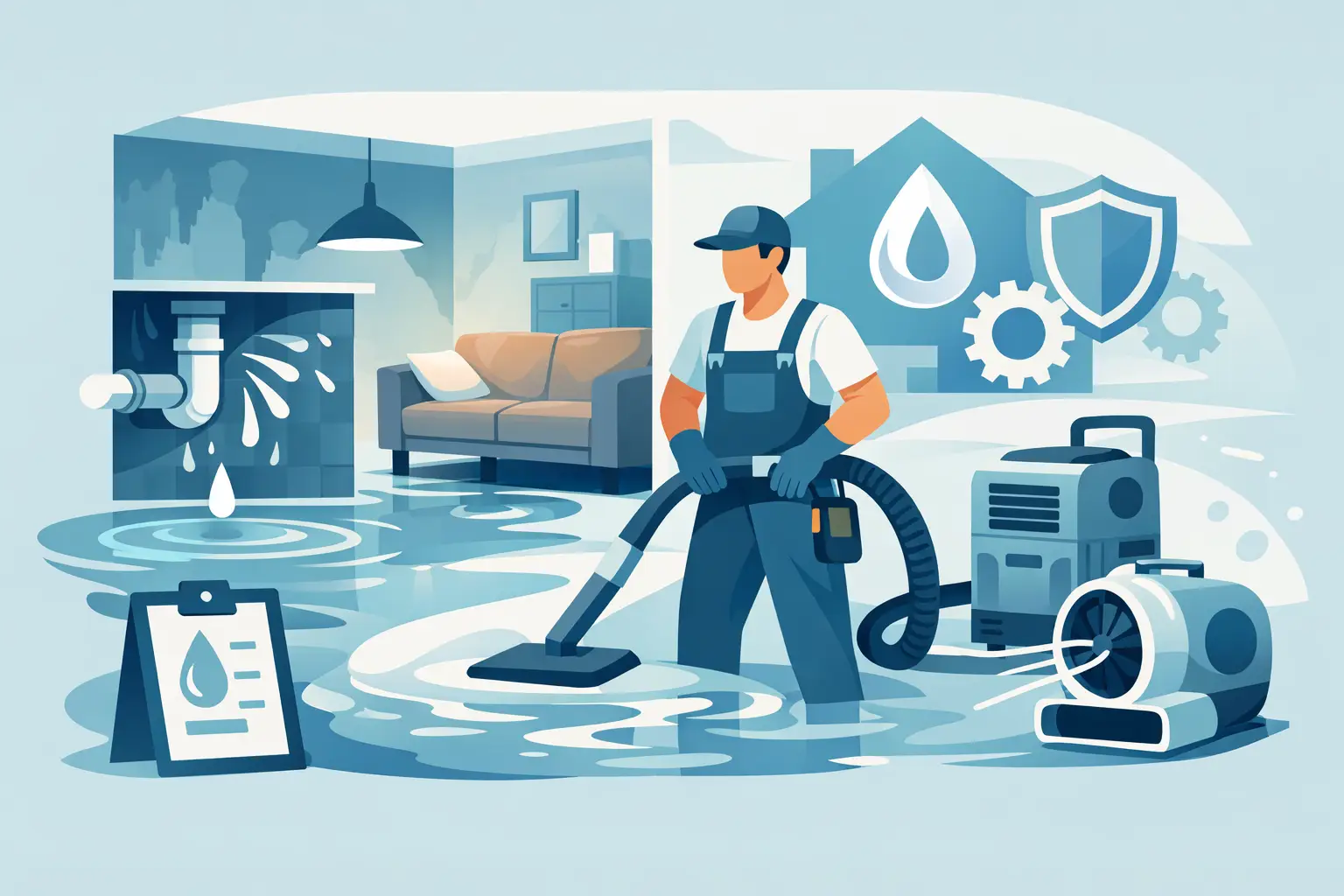
A flooded basement at 9 p.m. does not feel like a vocabulary lesson. But knowing what is water damage mitigation can help you make the right call fast, before a small emergency turns into major structural damage, mold growth, and a much bigger repair bill.
Water damage mitigation is the immediate work done to stop water from causing more harm after a leak, overflow, backup, or flood. It is not the full rebuild. It is the first response – removing standing water, containing affected areas, drying materials, and protecting the property from secondary damage.
That distinction matters because many homeowners hear terms like mitigation, remediation, restoration, and repair used interchangeably. In practice, they are related but not the same. Mitigation comes first. Its job is to stabilize the situation and reduce loss.
What is water damage mitigation in real terms?
In plain language, mitigation means damage control. If a supply line bursts behind a wall, if a water heater leaks into the basement, or if a toilet overflows into the bathroom and hallway, mitigation is the work that starts right away to keep the problem from spreading.
That usually begins with finding and stopping the source when possible. After that, crews remove standing water, assess which materials are wet, set up professional drying equipment, and monitor moisture levels over the next several days. If needed, they also remove unsalvageable materials, isolate contaminated areas, and take steps to reduce the risk of mold and mildew.
The goal is simple. Dry the structure, protect what can be saved, and keep the damage from getting worse.
Why speed matters more than most homeowners realize
Water damage changes by the hour. What looks like a wet carpet can become soaked padding, swollen baseboards, wet drywall, and hidden moisture inside wall cavities. In a basement, water can move into finished rooms, storage areas, insulation, and framing much faster than most people expect.
The longer water sits, the more expensive the job usually becomes. Wood can warp. Drywall can soften and break down. Flooring can delaminate. Odors can set in. Mold can begin growing quickly under the right conditions.
That is why mitigation is treated like an emergency service. Fast extraction and drying do more than clean up the obvious mess. They can reduce demolition, shorten recovery time, and lower the chance that the damage spreads into other rooms or systems.
Water damage mitigation vs. restoration
This is where homeowners often get confused. Mitigation and restoration are connected, but they serve different purposes.
Mitigation is the emergency response phase. It focuses on limiting further damage. That includes water extraction, structural drying, moisture checks, containment, and removal of materials that cannot be saved.
Restoration comes after the property is dry and stable. That can include replacing drywall, installing new flooring, repainting, rebuilding damaged sections, or returning the space to its pre-loss condition.
Sometimes one company handles both phases. Sometimes mitigation is completed first, and repairs are scheduled after. It depends on the type of loss, the extent of the damage, insurance decisions, and whether contamination is involved.
What a water damage mitigation crew actually does
A professional mitigation visit is more than dropping off a few fans. The process starts with inspection and moisture mapping. Technicians look at the visible damage, but they also check behind walls, under floors, and in nearby materials that may hold hidden moisture.
Once the affected areas are identified, standing water is extracted using commercial equipment. The method depends on the amount of water, the location, and the materials involved. A clean supply line leak is different from a drain backup or sewage intrusion, and that affects how the area is handled.
Drying comes next. Air movers, dehumidifiers, and other specialized equipment are placed to remove moisture from the structure, not just from the air. Technicians monitor progress with moisture meters and adjust the setup as needed. Drying is not guesswork. If materials still test wet, the job is not done.
When contamination is a concern, the response becomes more controlled. Category 3 water from sewage backups or heavily contaminated sources requires more protective measures, more removal of porous materials, and more thorough cleaning and sanitation.
What is included and what is not
A lot depends on the source of the water and how long it has been there. In many cases, mitigation includes emergency extraction, removal of wet materials when necessary, drying, dehumidification, and cleaning of affected surfaces.
It may also include moving or protecting contents, setting containment barriers, treating areas at risk for microbial growth, and documenting the condition of the property. In commercial spaces, it can also involve keeping unaffected areas operational while the damaged section is being stabilized.
What it usually does not include is the final cosmetic repair. New carpet, fresh drywall, cabinetry replacement, trim work, and painting generally fall under restoration or reconstruction rather than mitigation.
Not every water loss is handled the same way
This is one of the biggest reasons professional help matters. A small sink overflow caught early is not the same as a finished basement flooded overnight. A clean water event can often be handled with less demolition if response is quick. Gray water from appliances or drain issues may require more caution. Black water from sewage or severe contamination changes the safety protocol entirely.
The building materials matter too. Tile over concrete behaves differently than hardwood over subfloor. Plaster walls dry differently than drywall. Insulation, cabinetry, and laminate flooring all have their own limits. Sometimes materials can be saved. Sometimes trying to save them only delays proper drying and leads to odor or mold problems later.
That is why good mitigation work is based on inspection, moisture readings, and experience – not assumptions.
Why homeowners should not rely on fans alone
A few household fans and an open window may help with surface moisture, but they do not solve a hidden water loss. Water often travels under flooring, behind baseboards, inside wall cavities, and into submaterials you cannot see.
Without commercial-grade extraction and dehumidification, moisture can remain trapped long after the surface feels dry. That is when homeowners get hit with musty smells, staining, warped materials, or mold showing up days or weeks later.
The other issue is safety. If the water came from a backup, toilet overflow, or unknown source, there may be contamination involved. Electrical hazards, slip risks, and weakened materials can also make the area unsafe.
What to expect after you call
A reliable mitigation response should feel organized, not chaotic. The crew should inspect the affected area, explain what they found, tell you what needs immediate attention, and begin emergency drying and cleanup work. You should know what equipment is being placed, why it is needed, and what the next 24 to 72 hours may look like.
You should also expect follow-up. Drying is a process, not a one-time visit. Moisture levels need to be checked, equipment may need adjustment, and the property should be evaluated for secondary issues like odor, microbial growth, or materials that failed to dry properly.
For homeowners in places like Mason, West Chester, Loveland, and nearby communities, fast local response can make a real difference. A company like Kans Water Restoration is built around that reality – getting into the home quickly, drying it correctly, and helping prevent a water problem from turning into a mold problem.
When should you call for mitigation?
If you have standing water, a recent overflow, visible water stains spreading across ceilings or walls, wet flooring, or a musty smell after a leak, it is time to call. The same goes for sump pump failures, basement flooding, appliance leaks, frozen pipe breaks, and drain backups.
Even if the water seems minor, it is worth having it assessed if it reached porous materials or sat for more than a short time. Water has a habit of moving farther than it first appears. Waiting to see if it dries on its own often costs more in the end.
The best time to act is as soon as you know there is a problem. Mitigation is about reducing damage while that is still possible. Once materials break down, odors develop, or mold starts growing, your options get narrower and the repair gets more involved.
If your home has taken on water, the right next step is not to guess. It is to get trained eyes on the damage, stop the spread, and start drying the structure before today’s mess becomes next month’s bigger problem.

