
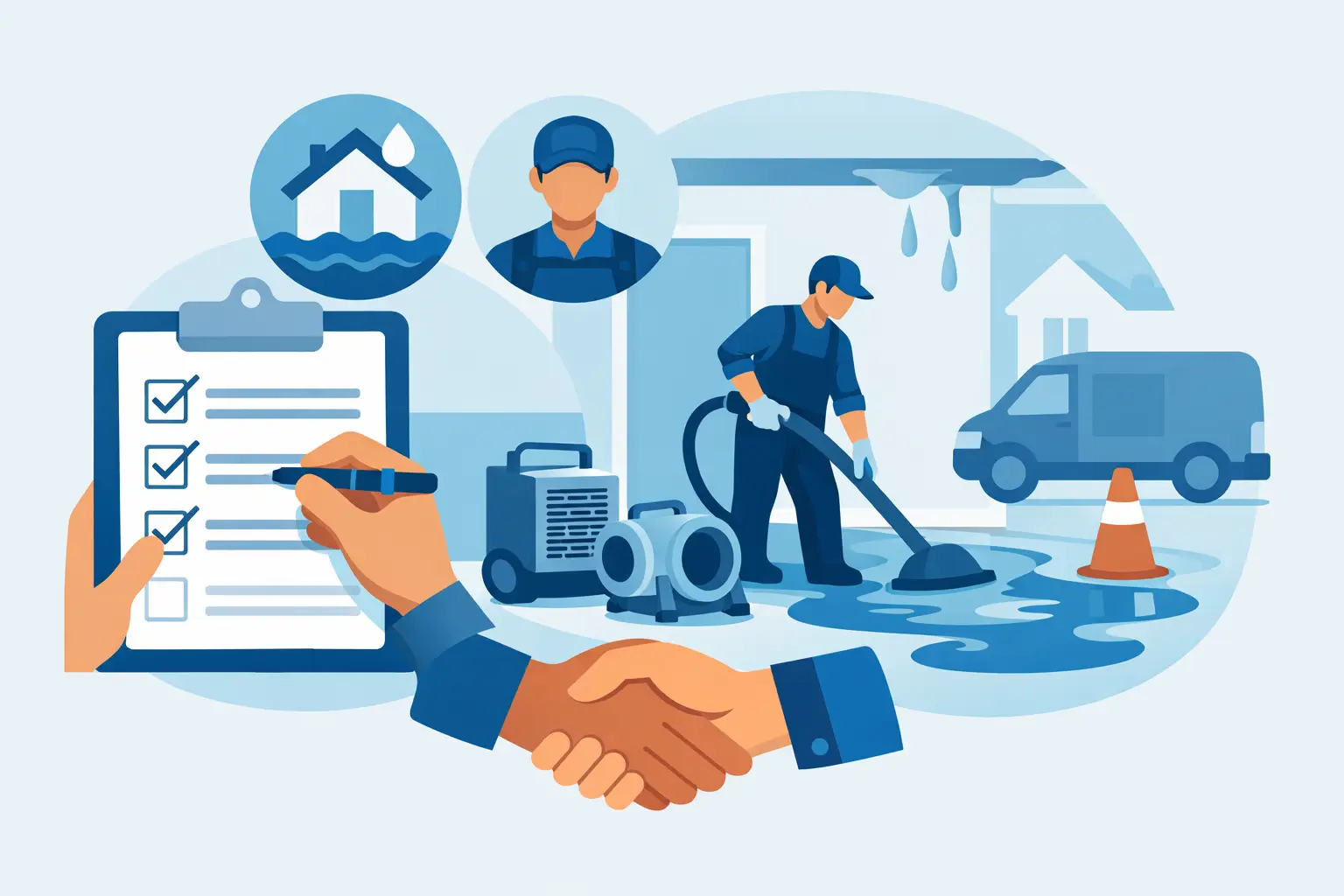
When water gets into your home, the clock starts right away. A flooded basement, toilet overflow, burst pipe, or drain backup can turn into damaged flooring, swollen drywall, musty odors, and mold growth faster than most homeowners expect. That is why choosing the right water damage restoration company matters – not just for cleanup, but for protecting the structure of your home and helping you get back to normal with less stress.
In Mason and nearby communities, homeowners usually are not looking for a long lesson on restoration theory. They want someone to answer the phone, show up fast, explain what needs to happen, and do the work the right way. In a water emergency, that kind of local, hands-on response makes a real difference.
What a water damage restoration company actually does
A true restoration company does more than remove visible water. The job starts with finding the full extent of the damage, including moisture that has moved behind walls, under flooring, into insulation, or through subfloors. Water has a way of spreading well beyond the original source, especially in basements, bathrooms, laundry rooms, and lower levels.
From there, the work usually includes water extraction, removal of damaged materials when needed, structural drying, dehumidification, and moisture monitoring. If the water intrusion has been sitting for too long, or if the source involved sewage or contaminated water, the job may also require cleaning, sanitizing, and microbial remediation steps.
That is where experience matters. Not every wet carpet is the same, and not every water loss can be handled with a few fans from a hardware store. Some situations are straightforward. Others involve hidden saturation, contaminated water, or materials that cannot be saved safely.
Why speed matters more than most people realize
The first few hours after water damage are critical. Hardwood can cup, baseboards can swell, drywall can soften, and moisture can begin feeding mold growth in dark, enclosed areas. Even when the surface looks manageable, the problem underneath can keep getting worse.
A fast response does not guarantee that every material can be saved, but it often improves the outcome. Quick extraction and drying can reduce the amount of demolition needed, lower the chance of secondary mold issues, and shorten the overall disruption to your home.
For homeowners, that usually translates to fewer headaches. It can mean less odor, less damage spreading from room to room, and a better shot at restoring affected areas before the problem becomes much more expensive.
What to look for in a water damage restoration company
The most important quality is not a flashy sales pitch. It is the ability to handle urgent situations professionally and thoroughly. You want a company that treats the problem like an emergency, not a routine appointment.
Look for a team with real restoration experience, proper drying equipment, and training tied to recognized industry standards such as IICRC water damage restoration. If mold is part of the concern, applied microbial remediation knowledge matters too. Water damage and mold often go hand in hand, especially when drying is delayed or incomplete.
Local service also matters more than people think. A company that regularly works in Mason, West Chester, Loveland, Maineville, Liberty Township, Blue Ash, Kenwood, Montgomery, and nearby areas understands the types of homes in the region, common basement and drainage issues, and the need for quick arrival times when the weather turns or plumbing failures happen.
Communication is another big factor. In a stressful situation, homeowners need clear answers. What is wet? What can be saved? How long will drying take? Is there a mold risk? A dependable restoration company should be able to explain the situation in plain language without making the process sound more complicated than it needs to be.
The difference between cleanup and full restoration
A lot of people use the word cleanup to describe the whole process, but cleanup is only one part of the job. Getting standing water out is important, but drying the structure fully is what helps prevent long-term issues.
This is where shortcuts can cause trouble. A room may look dry on the surface while moisture is still trapped in framing, insulation, or flooring systems. If those materials stay wet, you can end up with lingering odors, weakened materials, staining, or mold that shows up later.
A professional water damage restoration company uses moisture meters, air movers, dehumidifiers, and monitoring methods to track progress. Drying is not guesswork. It should be measured and adjusted based on what the structure is doing, not just how the room looks.
When mold and mildew become part of the problem
Water damage does not always stop with water. If the affected area stays damp, mold and mildew can begin to grow, especially in basements, bathrooms, crawl spaces, and behind walls. By the time you notice a musty smell, discoloration, or visible spotting, the moisture problem may have been there for a while.
That does not mean every water loss turns into a major mold project. Sometimes quick action prevents it. Other times, especially after hidden leaks, repeated overflows, or delayed cleanup, mold remediation may be necessary along with drying and removal of affected materials.
This is one reason homeowners are usually better served by a company that can handle both water damage restoration and microbial concerns. It keeps the response coordinated and reduces the chance that one issue gets addressed while another is missed.
Residential and commercial needs are not always the same
Homes and commercial spaces can both suffer serious water damage, but the priorities may differ. In a home, the focus is often on protecting living areas, family belongings, and indoor air quality while getting daily life back to normal as quickly as possible.
In a commercial property, downtime can be just as damaging as the water itself. Offices, retail spaces, and other business environments often need a response that balances cleanup, drying, and operational urgency.
The core restoration principles are similar, but the approach should match the property type. A company that works in both residential and commercial restoration should know how to adjust without losing speed or thoroughness.
Why local experience builds trust
When people are dealing with water in the basement or sewage in the bathroom, they are not looking for a giant call center three states away. They want to know who is coming to their home and whether that crew has seen this kind of problem before.
Local experience builds confidence because it is tied to real accountability. A company serving your area depends on word of mouth, trust, and consistent results. That tends to show up in the way they answer calls, explain the work, and treat your home during a high-stress situation.
For that reason, many homeowners prefer a company like Kans Water Restoration that has a strong local footprint and years of hands-on service in suburban Cincinnati communities. Fifteen years in the field means you have likely dealt with everything from storm-related basement flooding to appliance leaks, drain backups, and moisture problems that were missed the first time around.
What homeowners should expect during the process
A professional response should feel organized, not chaotic. First comes assessment and immediate mitigation. That means identifying the source, stopping active water intrusion when possible, and removing standing water. After that, the focus shifts to drying, moisture control, and removing damaged materials if they cannot be restored safely.
As the work moves forward, you should expect updates. Drying often takes more than one day, and every loss is different. Some areas respond quickly. Others, especially dense materials or enclosed spaces, take longer. The right company will tell you what they are seeing and what comes next.
Cleanliness also matters. Restoration work can be disruptive, but it should still be handled with care and professionalism. Homeowners notice when crews respect the property, work efficiently, and keep the process as controlled as possible.
The right help now can prevent bigger repairs later
Water damage has a way of looking smaller than it is. A little water on the floor may seem manageable until base cabinets start swelling, drywall softens, or a musty odor settles in. Waiting a day or two can be the difference between a focused mitigation job and a much larger restoration project.
That does not mean every wet area is a disaster. It does mean you are better off getting an experienced opinion early. A trained team can tell whether the problem is limited or whether moisture has spread into places you cannot see.
If your home has taken on water, the best next step is simple: get a qualified local company involved quickly. Fast action, proper drying, and experienced restoration work can protect your home, reduce stress, and help you move forward with confidence.

