
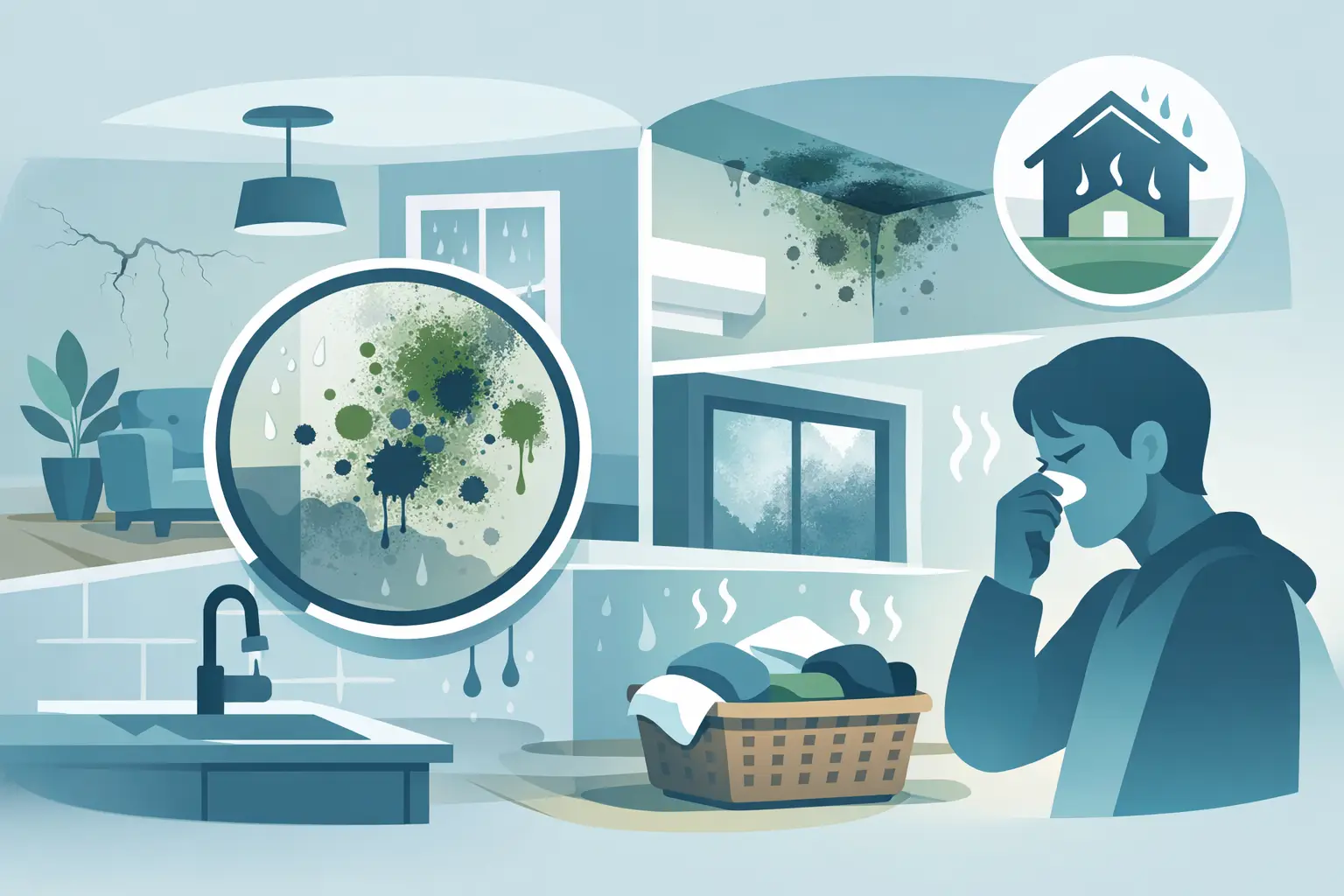
A basement can look dry again within a day of a flood, toilet overflow, or leaking appliance. That does not mean the moisture is gone. Homeowners often ask, when does mold grow indoors? In the right conditions, mold can begin growing in as little as 24 to 48 hours after water damage.
That short window is why fast water cleanup and structural drying matter. Water that gets behind baseboards, under flooring, inside wall cavities, or into insulation can create a mold problem long after the visible puddle disappears. If your Mason-area home has had a recent leak, backup, or flood, treating it as an urgent drying issue can prevent a much larger cleanup later.
When Does Mold Grow Indoors After Water Damage?
Mold needs three things to grow: moisture, a food source, and time. Homes provide plenty of food sources, including drywall paper, wood framing, carpet backing, dust, fabric, and insulation. The factor homeowners can control is moisture.
After a plumbing leak, wet basement, roof leak, dishwasher failure, or sewage backup, mold spores already present in the air can settle onto damp materials and start to multiply. Under favorable conditions, early growth may begin within 24 to 48 hours. By the time a musty odor or visible discoloration appears, the affected area may have been damp for days or weeks.
The timing depends on the material and how wet it became. A small spill cleaned and completely dried the same day may not lead to mold. Saturated carpet padding, wet drywall, damp insulation, or water trapped beneath vinyl flooring creates a much higher risk. Ohio’s humid weather can slow natural drying, especially in basements and poorly ventilated bathrooms.
The Moisture Problems That Cause Mold Growth
A major flood is not the only situation that creates mold. Slow, hidden moisture is one of the most common causes of indoor mold damage. A pinhole pipe leak, loose toilet seal, failing shower grout, or condensation around a cold-water line can keep materials damp without causing an obvious emergency.
Watch for these conditions in your home:
- A wet or recently flooded basement, particularly after heavy rain or a sump pump failure
- Toilet overflows, drain backups, bathtub leaks, or sewage contamination
- Water stains on ceilings, walls, or around windows
- Damp carpet, buckled flooring, soft baseboards, or peeling paint
- Condensation on windows, pipes, or HVAC equipment
- Bathroom humidity that lingers after showers because the fan is weak or unused
A water source does not have to be large to be damaging. A small leak that continues for several weeks can saturate drywall and framing more thoroughly than a one-time spill that was extracted and dried quickly.
Why basements are especially vulnerable
Basements in Mason, West Chester, Loveland, Maineville, and nearby communities often face a combination of below-grade humidity, foundation seepage, plumbing lines, and limited airflow. Concrete walls can feel dry while moisture moves through surrounding materials or collects at the edge of carpet and baseboards.
A damp basement smell is not something to ignore or simply cover with air freshener. It may point to moisture beneath flooring, behind finished walls, or inside stored belongings. A professional moisture inspection can help identify the source before mold spreads into a larger area.
Bathrooms and laundry rooms can hide damage
Bathrooms and laundry rooms are common mold locations because they experience repeated moisture. A bathroom exhaust fan helps, but it cannot correct water leaking under a tub, behind a shower wall, or around a toilet base. Likewise, a washing machine supply line can leak slowly for hours or days before anyone notices.
Mold often develops in concealed spots first. You may see staining at the bottom of a vanity, a dark line near a baseboard, warped flooring, or bubbling paint. Those visible signs can be the edge of a larger moisture issue behind the surface.
Signs Mold May Already Be Growing
Visible mold can look black, green, gray, white, or brown. Color alone does not identify the type of mold or tell you how extensive the problem is. What matters most is locating and correcting the moisture source, then safely removing affected materials when needed.
A persistent musty or earthy odor is often an early warning sign, especially after a water event. You may also notice dampness that never seems to go away, recurring stains, warped trim, loose wallpaper, or worsening discoloration around a prior leak. If family members have irritation that seems worse in one room, do not use that alone to diagnose mold, but do inspect the area for water intrusion and moisture.
Do not assume a small visible patch is the full problem. Mold can grow behind drywall, under carpet, beneath cabinets, and inside insulation. Opening or disturbing contaminated materials without containment can spread dust and spores into other parts of the home.
What to Do in the First 24 Hours
The best response is fast, controlled drying. First, stop the source of water if it is safe to do so. Shut off a leaking appliance, turn off the water supply to a broken fixture, or move belongings away from standing water. If there is a sewage backup, avoid contact with the water and keep people and pets away from the affected area.
For a minor, clean-water spill on a hard surface, thoroughly dry the area and check nearby materials over the next day or two. But if water reached carpet, pad, drywall, cabinets, insulation, or subflooring, surface drying is rarely enough. Fans may dry what you can see while leaving moisture inside building materials.
Professional restoration teams use water extraction equipment, commercial air movers, dehumidifiers, and moisture meters to dry materials to appropriate levels. This is different from simply placing a household fan in the room. The goal is to remove hidden moisture before it supports mold growth or causes structural deterioration.
When You Should Call a Mold and Water Restoration Professional
Call for help promptly after a flood, sewage backup, major appliance leak, burst pipe, or any water damage that soaked porous materials. It is also wise to request an inspection if you smell mold, see recurring stains, find wet drywall, or discover a leak that may have been active for more than a day or two.
Sewage and drain backups require special care because the water may contain harmful contaminants. Carpet, padding, insulation, and other porous materials exposed to sewage often need to be removed rather than dried. Attempting to clean contaminated materials without the right protective procedures can create additional health and cleanup concerns.
For established mold growth, the right approach starts with finding the moisture source. Cleaning the visible area without fixing the leak or humidity problem is a temporary fix. A trained remediation crew can assess the affected materials, contain the work area when necessary, remove damaged materials, clean appropriate surfaces, and dry the structure properly.
Kans Water Restoration provides water cleanup, structural drying, sewage cleanup, and mold remediation for homeowners dealing with these stressful situations in Mason and surrounding communities. Fast action can make the difference between drying a small affected area and replacing walls, floors, cabinets, and personal belongings.
How to Reduce the Chances of Mold Returning
Once the water damage is addressed, keep indoor humidity under control and stay alert for recurring leaks. Use bathroom exhaust fans during and after showers, repair plumbing issues quickly, maintain gutters and downspouts, and keep basement drainage systems working properly. If you use a dehumidifier in a damp basement, empty it consistently or set up a reliable drain connection.
Storage habits matter too. Avoid placing cardboard boxes, clothing, or upholstered furniture directly against basement walls or on damp floors. Give stored items space for air circulation, and inspect lower-level rooms after heavy storms.
If there is a musty smell after a leak or flood, do not wait for mold to become obvious. Getting the area checked and dried quickly is the practical next step toward protecting your home and getting your space back to normal.

