
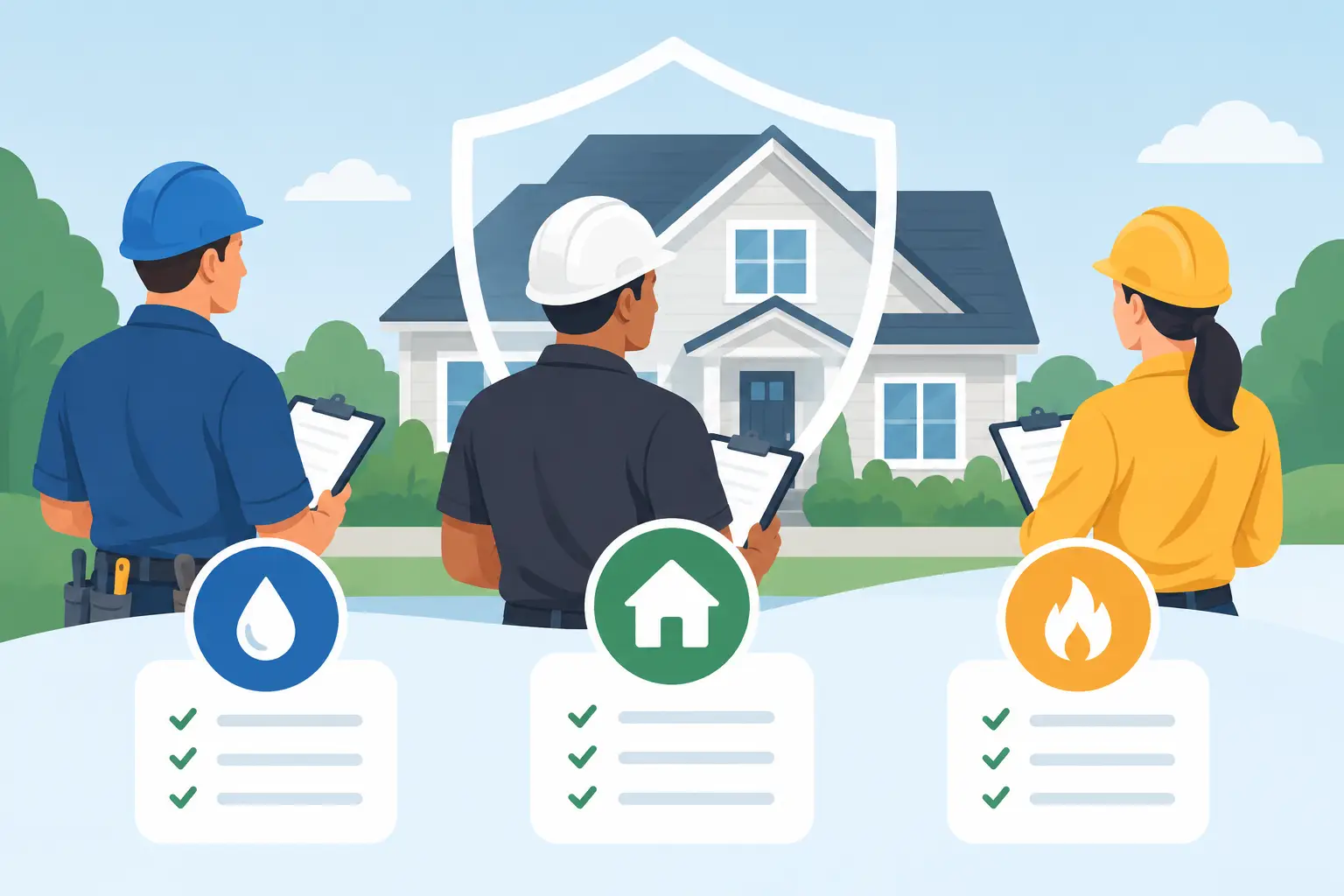
A flooded basement at 10 p.m., a toilet overflow in the morning, or a leak found behind a bathroom wall leaves little time for guesswork. A restoration contractor comparison helps you choose the company that can protect your home from the damage you see and the moisture you do not see. The right response is not just about removing standing water. It is about drying the structure correctly, preventing mold growth, documenting the loss, and getting your home back to a safe condition.
For homeowners in Mason and nearby communities, the best contractor is usually the one that responds quickly, explains the work plainly, and has the training and equipment to handle the full problem.
Start With Emergency Response, Not the Lowest Price
Water damage gets worse by the hour. Water can move under flooring, into wall cavities, behind baseboards, and through ceiling materials. A company that cannot respond quickly may still be a good general contractor, but it may not be the right choice for an active water loss.
When you call, pay attention to how the company handles the first conversation. They should ask what happened, where the water came from, how long it has been present, and whether electricity, sewage, or contaminated water may be involved. They should also be able to explain what you can safely do before help arrives, such as shutting off the water source or moving valuables out of the affected area.
A low estimate is not much of a bargain if the crew arrives late, removes only the visible water, and leaves wet materials behind. Fast extraction and controlled structural drying often reduce the need for larger repairs later.
Compare Restoration Experience and Training
Not every contractor who handles repairs is equipped to manage emergency drying or contamination cleanup. Restoration work requires an understanding of moisture movement, material drying behavior, cleaning methods, and health concerns related to mold or sewage.
Ask whether the technicians are trained in industry-standard water damage restoration practices. IICRC water damage restoration and applied microbial remediation training are meaningful indicators that a company understands the proper process for drying wet structures and addressing mold-related conditions. Training does not replace good workmanship, but it gives homeowners a better reason to trust the methods being used.
Experience also matters. A contractor who has handled basement floods, appliance leaks, drain backups, roof leaks, and bathroom overflows has seen how quickly a small event can become a larger problem. They are more likely to know where moisture hides and which materials can be dried versus which materials should be removed.
Ask About the Actual Drying Plan
A professional restoration company should not simply set out a few fans and leave. The drying plan should fit the loss. Depending on the situation, that may include water extraction, removal of wet carpet pad, controlled demolition of damaged drywall, air movers, dehumidifiers, moisture readings, antimicrobial cleaning, and daily monitoring.
Ask how the contractor will verify drying. The answer should involve moisture meters or other testing equipment, not just a visual check or a hand placed on the wall. A surface can feel dry while framing, insulation, subflooring, or wall cavities remain wet.
A Restoration Contractor Comparison Should Include Scope
Before work begins, you need a clear idea of what the contractor plans to do. In an emergency, nobody expects a perfect final estimate before the first extraction starts. Still, a dependable company should explain the immediate work, identify likely next steps, and communicate when conditions change.
Look for a scope that addresses the cause of the loss as well as the damage. If a drain backup caused the flood, the cleanup crew may need to remove contaminated materials and clean affected surfaces, but a plumbing repair may also be needed to stop the problem from happening again. If a leak caused mold behind a wall, mold remediation without fixing the moisture source will not solve the issue.
The scope should also distinguish between mitigation and reconstruction. Mitigation is the emergency work that stops further damage: extraction, drying, cleaning, and removal of unsalvageable materials. Reconstruction includes repairs such as drywall replacement, flooring, trim, and paint. Some companies handle both phases, while others specialize in mitigation and coordinate with a repair contractor afterward. Neither option is automatically better, but you should know who is responsible for each part.
Make Sure They Handle the Type of Water Involved
The source of the water changes the cleanup process. A clean supply-line leak is handled differently from a toilet overflow, sewer backup, or floodwater entering a basement. Contaminated water can carry bacteria and other harmful material, and it may require removal of porous items that cannot be properly cleaned.
Be cautious if a contractor treats every loss the same way. A sewage backup is not a job for ordinary shop-vac cleanup and household fans. It calls for proper protective equipment, cleaning procedures, disposal of contaminated materials when necessary, and thorough drying afterward.
Mold concerns also deserve more than a quick spray. Surface staining may be minor, but hidden moisture can support growth inside walls, beneath flooring, or in insulation. A qualified contractor should assess the affected area, contain work when needed, remove damaged materials safely, clean remaining structural surfaces, and correct the moisture condition that allowed the growth.
Check Equipment, Monitoring, and Jobsite Care
The equipment a company brings tells part of the story. Restoration crews should have commercial extraction tools, air movers, dehumidifiers, moisture detection equipment, and the supplies needed to protect unaffected parts of the home. The exact equipment depends on the size and type of loss, so more machines are not always better. Proper placement and monitoring matter more than filling every room with equipment.
Ask how often the crew will return to check drying progress. Moisture levels should be monitored and documented until materials meet acceptable drying goals. This is especially important in finished basements, bathrooms, kitchens, and other areas with layered materials that trap moisture.
Good jobsite care matters, too. Your home may already feel disrupted. The crew should protect walkways where possible, keep work areas organized, communicate before removing materials, and explain what equipment noise and daily access will look like. Restoration is messy work at times, but it should not be careless work.
Understand Insurance Without Letting It Delay Help
Many homeowners file an insurance claim after a water loss, but coverage depends on the cause of damage and the details of the policy. A sudden pipe break may be treated differently than groundwater seepage, a long-term leak, or a sewer backup without the right endorsement.
A restoration contractor can document conditions, provide photos, record moisture readings, and prepare an estimate that supports the claim process. They should not promise what your insurer will pay, because that decision belongs to the insurance company. They also should not pressure you to wait for an adjuster before taking reasonable emergency steps to prevent further damage.
Ask whether the contractor can communicate with your adjuster and whether you will receive clear documentation for your records. Good documentation helps you understand the work completed and gives your insurance company a clearer picture of the loss.
Look for Local Accountability
A local company has a real stake in its reputation across Mason, West Chester, Loveland, Maineville, Liberty Township, Blue Ash, Kenwood, Montgomery, and surrounding areas. They understand the common basement moisture issues in local homes, can respond without a long dispatch delay, and depend on referrals from neighbors.
This does not mean you should hire the first company that answers the phone. Check that the business is established, insured, willing to answer direct questions, and able to provide a clear estimate. Read reviews with an eye for details: response time, communication, cleanliness, follow-through, and whether customers felt informed during a stressful situation.
Kans Water Restoration brings 15 years of hands-on experience to water damage, mold remediation, sewage cleanup, and structural drying for local homes and businesses. The goal is simple: remove the water, dry what can be saved, address contamination correctly, and help you move forward.
Questions Worth Asking Before You Approve Work
When you are comparing companies, keep the conversation focused on the work that protects your property. Ask how quickly they can arrive, whether they handle your specific type of water damage, how they will locate hidden moisture, and how they verify the structure is dry. Ask what materials may need to be removed, whether mold or sewage changes the scope, and what documentation you will receive.
Also ask who will be your point of contact. Water damage jobs often involve several visits, insurance questions, equipment pickup, and repair decisions. A contractor who communicates clearly from the beginning can make a difficult situation far easier to manage.
The best time to make a careful choice is before moisture turns into bigger damage. If water, sewage, or mold is affecting your home, call a trained local restoration company promptly, ask direct questions, and choose the team that gives you a clear plan rather than a vague promise.

