
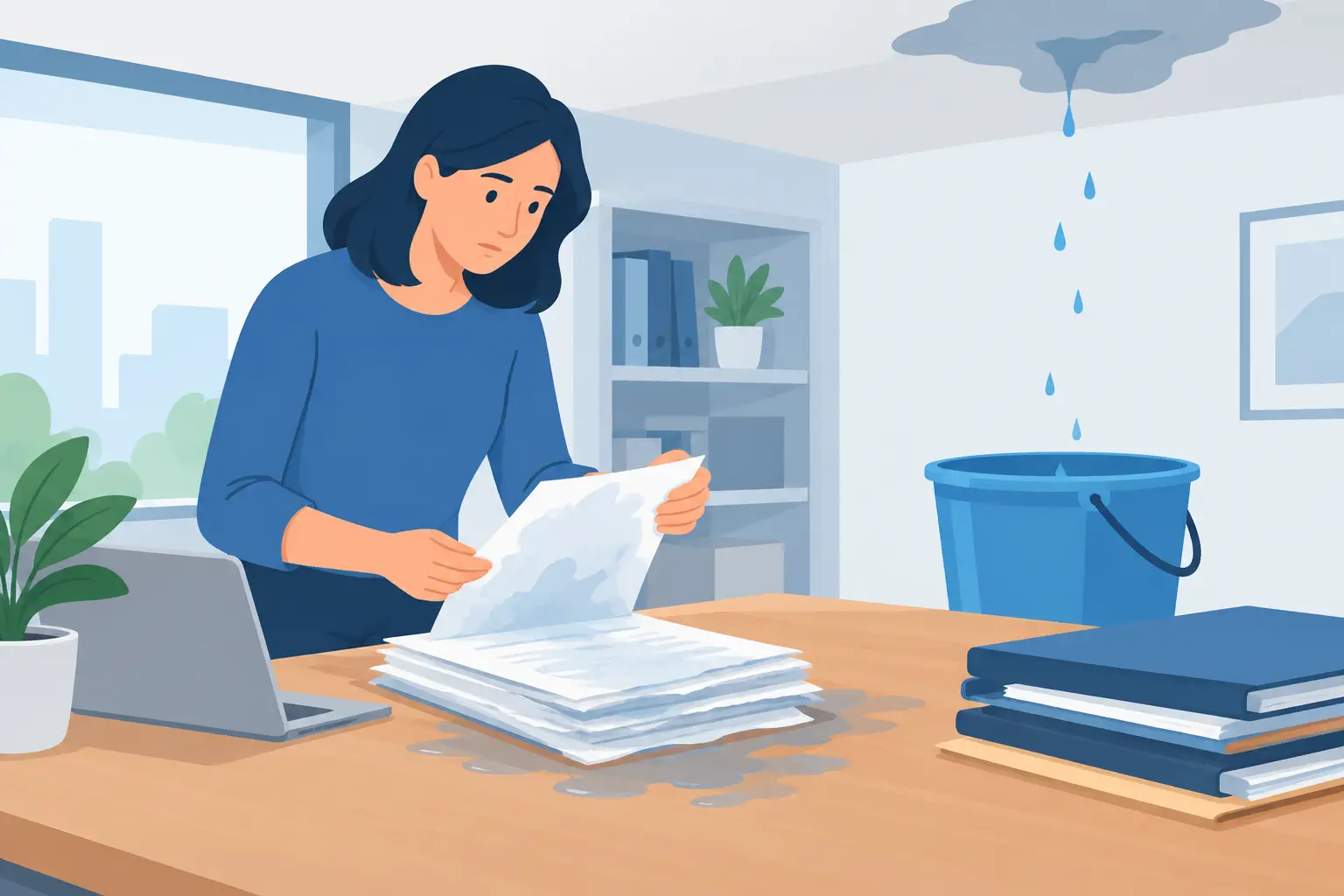
A basement floor covered in water, a toilet overflow, or a ceiling stain spreading below an upstairs bathroom can put a homeowner into reaction mode. Once everyone is safe and the source is shut off if possible, take a few minutes to document water damage before cleanup changes the scene. Clear records can help support an insurance claim and give your restoration team a more complete picture of what happened.
The key is to document the damage safely, then move quickly to extraction and structural drying. Water does not wait for paperwork. It can soak into drywall, flooring, insulation, cabinets, and subfloors, creating conditions where mold and material damage can worsen.
Start With Safety, Not Photos
Do not walk into standing water if there is any chance it has contacted electrical outlets, appliances, extension cords, or the electrical panel. Stay out of a flooded area until power concerns are addressed. If the water came from a drain backup, toilet overflow, or sewage line, treat it as contaminated. Keep children and pets away, and do not handle affected belongings without proper protection.
If it is safe to do so, stop the source. Shut off a leaking fixture’s supply valve, turn off the home’s main water supply for a major plumbing break, or move dry items away from an active leak. A roof leak or storm-related entry point may need temporary protection, but avoid climbing onto a wet or damaged roof.
Take photos and video from dry ground whenever possible. Your safety matters more than getting the perfect picture.
How to Document Water Damage Clearly
Use your phone to create a simple visual record before water extraction begins. Start wide, then move closer. A wide photo shows where the damage is located in the home. Close-up photos show the material, stain, water level, or damaged item in detail.
Photograph each affected room from multiple angles. Include the floor, walls, ceiling, baseboards, cabinets, furniture, rugs, stored belongings, and any visible water path. For a basement flood, capture the standing water, the drain or sump area if involved, and the full extent of affected storage. For a bathroom overflow, photograph the fixture, flooring transitions, vanity base, nearby walls, and the ceiling below if water traveled downstairs.
Video can be useful because it provides context. Walk slowly through the affected area and describe what you see: the room, the apparent source, when you discovered it, and which materials are wet. Keep the recording factual. You do not need to diagnose the cause or estimate the cost of repairs on the spot.
Also take pictures of the source when it is visible. This might be a broken supply line, failed appliance hose, overflowing toilet, drain backup, roof leak, or burst pipe. If a plumber has already made an emergency repair, photograph the damaged part if it is available and safe to handle.
Record the Details While They Are Fresh
Write down the date and approximate time you found the water. Note when the leak may have started, when water was shut off, and which rooms or levels were affected. If you were away from home or found the issue after a storm, include that information.
Keep a simple list of damaged personal property. Describe each item, its approximate age, where it was located, and its condition. If you have receipts, prior photos, serial numbers, or appraisals for higher-value items, save copies with your claim records. Do not throw away damaged belongings until your insurer tells you what is needed, unless they are contaminated or pose a health concern. In that case, photograph them thoroughly first and ask your restoration team or insurer how to proceed.
Save communications too. Keep notes from calls with your insurance company, plumber, property manager, or restoration contractor. Record the name of the person you spoke with, the date, and what was discussed. These details are often easier to gather immediately than to reconstruct days later.
Show the Full Scope of the Water Intrusion
Visible puddles are only part of a water loss. Water can move beneath vinyl flooring, behind baseboards, under cabinets, into wall cavities, and through ceiling assemblies. A dry-looking surface may still hold moisture below it.
That is why photos should cover nearby materials, not just the most obvious wet spot. If water reached laminate, hardwood, carpet, drywall, insulation, or cabinetry, document it. If furniture legs, boxes, electronics, or stored items sat in water, include them as well.
Do not pull up flooring, remove drywall, or open cabinets simply to create more documentation. Disturbing wet materials can spread contamination, damage materials that may be salvageable, and make the cleanup harder. A trained restoration technician can use moisture meters, thermal imaging, and other equipment to identify moisture that a camera cannot see.
Contact Your Insurance Company Promptly
Most homeowners should report a sudden water loss as soon as practical. Give the insurer the basic facts: when you found the problem, the suspected source, affected areas, and what emergency steps have been taken. Ask about the claim process and whether they need specific photos, inventories, or inspection access before repairs begin.
Coverage depends on the cause of the damage and the details of the policy. A sudden pipe break may be handled differently from long-term seepage, a roof maintenance issue, groundwater, or a sewer backup. Avoid assuming a loss is or is not covered before you report it. Your insurer can explain your policy, while a restoration company can document drying work and explain the condition of affected materials.
You should not delay emergency mitigation while waiting for an adjuster if water is actively damaging the property. Reasonable steps to stop further damage, such as professional extraction and drying, are often necessary. Keep all estimates, invoices, photos, and work records.
Why Professional Drying Should Begin Fast
Taking pictures is valuable, but it should not become a reason to leave wet materials in place. The longer moisture remains in a structure, the more likely it is that materials will swell, warp, delaminate, stain, or support mold growth. Carpet padding, drywall, insulation, engineered wood, and particleboard cabinets can be especially vulnerable.
Professional water restoration starts by identifying the source and category of water, extracting standing water, and checking how far moisture traveled. Technicians then set drying equipment based on the affected materials and monitor moisture levels as the home dries. This is more than placing a few fans in a room. Proper structural drying is measured work designed to remove moisture from materials, not just make the surface feel dry.
Sewage backups and drain overflows require additional care. Contaminated water can affect porous materials and leave behind microbial hazards. In those situations, cleaning, removal of unsalvageable materials, and disinfection should be handled using appropriate restoration practices.
Avoid These Common Documentation Mistakes
Homeowners often make reasonable decisions under stress that create problems later. One mistake is taking only close-up photos. Detail photos matter, but they do not show where the damage occurred or how far it spread. Another is moving or discarding items before photographing them. If you must move something to prevent further damage, take photos first and note where it was found.
Do not use household fans to dry contaminated sewage water, and do not run HVAC equipment if you suspect water has entered ducts or there is widespread contamination. Air movement can spread odors, moisture, and contaminants. Avoid painting over stains or covering wet areas with rugs, furniture, or plastic. Those steps can hide a continuing moisture problem.
Most of all, do not assume the issue is resolved because the water is gone. Extraction removes liquid water. Drying confirms the building materials have returned to an acceptable moisture condition.
Local Help After a Water Emergency
For homeowners in Mason and nearby Cincinnati communities, Kans Water Restoration provides professional water extraction, structural drying, sewage cleanup, and mold remediation when moisture damage requires immediate attention. Our trained technicians assess the affected area, use professional drying equipment, and help you understand what needs to happen next.
If you are facing a leak, overflow, backup, or flood, take safe photos, preserve your records, and get the drying process started. A prompt response can protect more of your home, reduce disruption, and give you a clearer path forward.

