
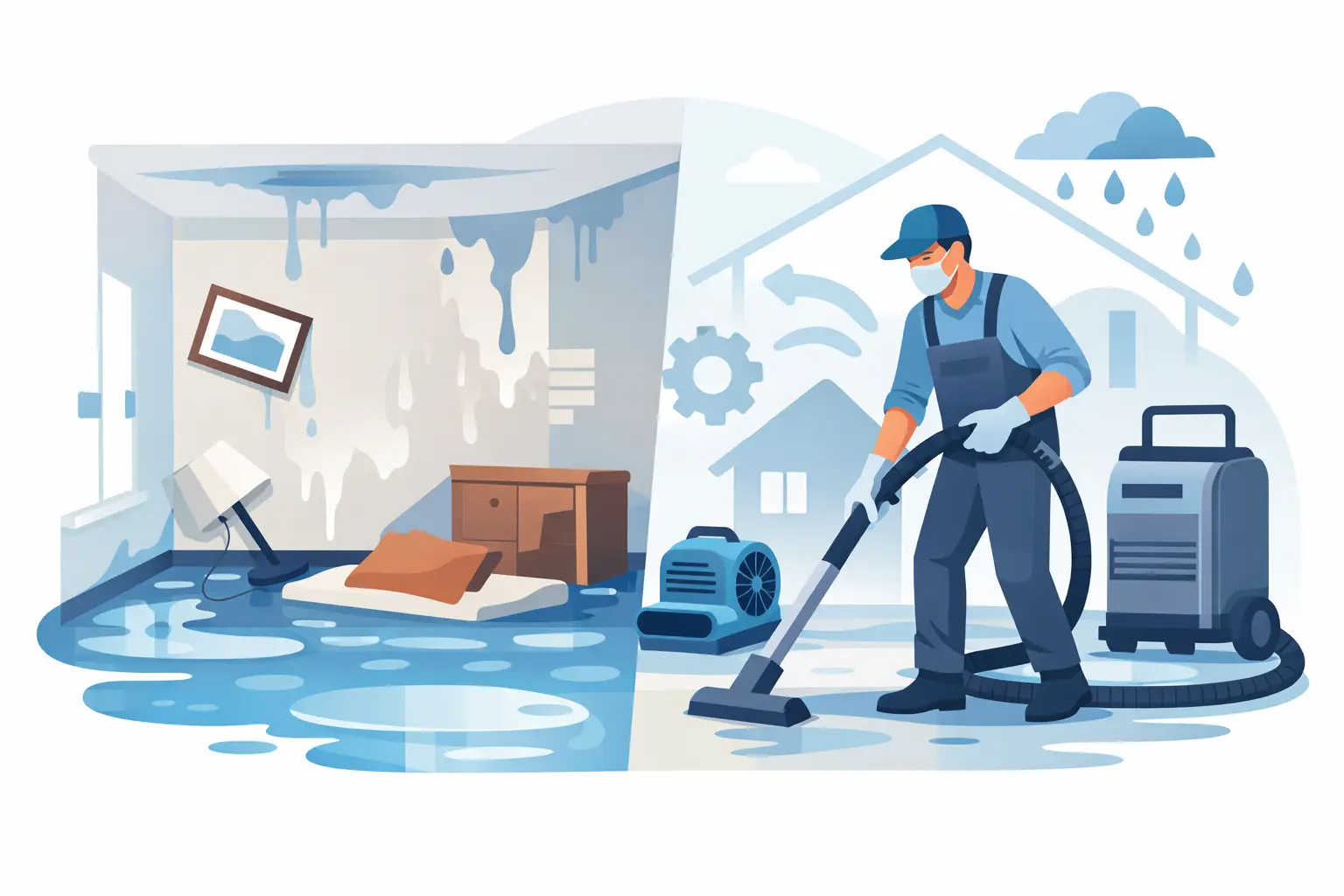
A basement can go from fine to soaked in a single night. A supply line bursts, a sump pump fails, or a toilet overflows, and suddenly you are looking at wet carpet, swollen baseboards, and that damp smell that tells you the problem is already spreading. If you are asking what is water damage remediation, the short answer is this: it is the professional process of removing water, drying the property, cleaning affected areas, and preventing longer-term damage like mold, rot, and structural issues.
For homeowners, that definition matters because water problems rarely stop where they start. What looks like a puddle on the floor can also mean moisture behind walls, under flooring, inside insulation, and around wood framing. The real job is not just getting rid of visible water. The real job is getting the home dry, safe, and stable again.
What Is Water Damage Remediation and Why Does It Matter?
Water damage remediation is the step-by-step response used after a leak, flood, backup, or overflow has affected a property. It typically includes inspection, water extraction, structural drying, moisture monitoring, cleaning, and treatment of damaged materials. In some cases, it also includes mold remediation if the moisture has been present long enough for microbial growth to begin.
The reason it matters is simple. Water moves fast and hides well. Drywall absorbs it. Wood framing holds it. Carpet pads trap it. Subfloors can stay wet long after the surface looks better. If moisture is left in place, damage keeps developing after the original incident is over.
This is where many homeowners get caught off guard. They think the emergency ended when the standing water was removed. In reality, that is just the first stage. The bigger risk is what happens over the next 24 to 72 hours if the structure is not properly dried and monitored.
Water Damage Remediation Is More Than Cleanup
A lot of people use the terms cleanup, restoration, and remediation like they mean the same thing. They are related, but they are not identical.
Cleanup usually refers to removing water, debris, or contamination from the immediate area. Restoration often refers to repairing or rebuilding what was damaged. Remediation is focused on correcting the harmful condition itself, which in this case means controlling moisture, drying materials, and reducing the risk of mold, odor, and continued deterioration.
That difference matters because a property can look clean and still have a moisture problem. You can mop the floor, pull out a few wet items, and run fans, but hidden moisture can remain inside wall cavities, under laminate, or beneath bathroom tile assemblies. Professional remediation is designed to find and address that hidden moisture before it turns into a second problem.
What Happens During the Water Damage Remediation Process?
The process starts with inspection. A trained technician identifies the source of the water, the extent of the spread, and the category of contamination involved. Clean water from a supply line is treated differently than water from a drain backup or sewage event. That distinction affects both safety procedures and the materials that may need to be removed.
Next comes water extraction. If there is standing water, it needs to be removed quickly using pumps, vacuums, or other extraction equipment. Fast extraction reduces the amount of water that can soak deeper into flooring, drywall, and structural materials.
After extraction, the focus shifts to structural drying. This is usually the longest and most technical part of the job. Air movers, dehumidifiers, and other drying equipment are placed based on the layout of the space, the materials affected, and the moisture readings taken on site. The goal is not to make the room feel dry. The goal is to bring materials back to acceptable moisture levels.
Moisture mapping and monitoring are a big part of this stage. Technicians use meters and thermal imaging tools to track how far water traveled and whether materials are still retaining moisture. Drying plans are adjusted as conditions change. Some materials can be saved if acted on early. Others may need to be removed if they are too saturated, contaminated, or damaged to recover.
Cleaning and antimicrobial treatment may also be part of the process, especially when the water source is unsanitary or when there is a concern about odor and microbial growth. This is one reason trained remediation work matters. The right response depends on the type of water involved, how long it sat, and what building materials were affected.
What Causes the Need for Water Damage Remediation?
In homes around Mason and nearby communities, water damage often starts with familiar problems. Basement flooding after heavy rain is common. So are sump pump failures, appliance leaks, toilet overflows, broken supply lines, and drain backups. Bathrooms, laundry rooms, kitchens, and lower levels tend to be the most vulnerable areas.
Some events are sudden and obvious. Others are slow and easy to miss. A small plumbing leak behind a wall may not get noticed until paint bubbles, trim swells, or mold starts showing up along the baseboard. In those cases, remediation may involve both water damage work and microbial remediation because the moisture has been active long enough to support growth.
It also depends on how quickly the issue is discovered. A clean water leak caught within hours is often more straightforward than a leak that has been feeding into a wall cavity for days. The longer moisture stays in place, the greater the chance of material breakdown, odor, and mold.
Why Fast Response Changes the Outcome
Time matters more than most people realize. Water starts affecting materials immediately. Drywall softens. Particleboard swells. Hardwood can cup. Carpet backing and padding hold moisture against the subfloor. Even when the visible mess seems manageable, the hidden moisture load can be significant.
That is why professional remediation focuses on fast action. Early extraction and drying can reduce demolition, lower repair costs, and shorten disruption to the home. Waiting a day or two can change the scope of the job.
There is also a health and safety side to it. Contaminated water from backups or sewage should not be handled like a minor spill. Wet materials can become unsanitary fast, especially in warm indoor conditions. If the damage involves gray water or black water, proper containment, removal, and cleaning are critical.
What Professional Equipment and Training Add
The biggest difference between DIY drying and professional remediation is control. A few household fans might dry the surface. They do not tell you if moisture remains inside framing, under flooring, or behind cabinets. They also do not create the same drying conditions as commercial dehumidification and targeted airflow.
Professionals use moisture meters, thermal imaging, extraction tools, air movers, dehumidifiers, and containment methods based on industry standards. Just as important, they know how to read the structure. They can tell where water is likely to migrate, what materials can usually be salvaged, and when removal is the safer path.
Training matters here. Water damage work is not guesswork when it is done correctly. It is a controlled process based on inspection, moisture data, and proven drying methods. For homeowners under stress, that kind of clarity is often the biggest relief.
What Is Water Damage Remediation if Mold Is Already Present?
If mold has already started growing, water damage remediation may overlap with mold remediation, but they are not exactly the same service. Water damage remediation addresses the moisture problem and the materials damaged by water. Mold remediation adds containment, safe removal of affected materials, cleaning procedures, and measures to reduce the spread of spores.
This is one of those situations where it depends on timing and conditions. Not every water loss turns into a mold problem. But when moisture is left untreated, or when a hidden leak has been active for a while, mold can become part of the project. That is why it is so important to handle water damage thoroughly the first time.
For homeowners dealing with wet basements, bathroom leaks, or drain overflows, the best response is not to wait and see. A trained local company can assess the damage, explain what is salvageable, and start drying before the problem grows. Kans Water Restoration handles this kind of work every day for homeowners who need fast, practical help without confusion or delay.
When water gets into your home, the goal is not just to dry what you can see. The goal is to stop the damage from spreading and get your home back to a safe, livable condition. That is what water damage remediation is really for, and when it is done right, it gives you a clear path forward when your house suddenly feels out of control.

