
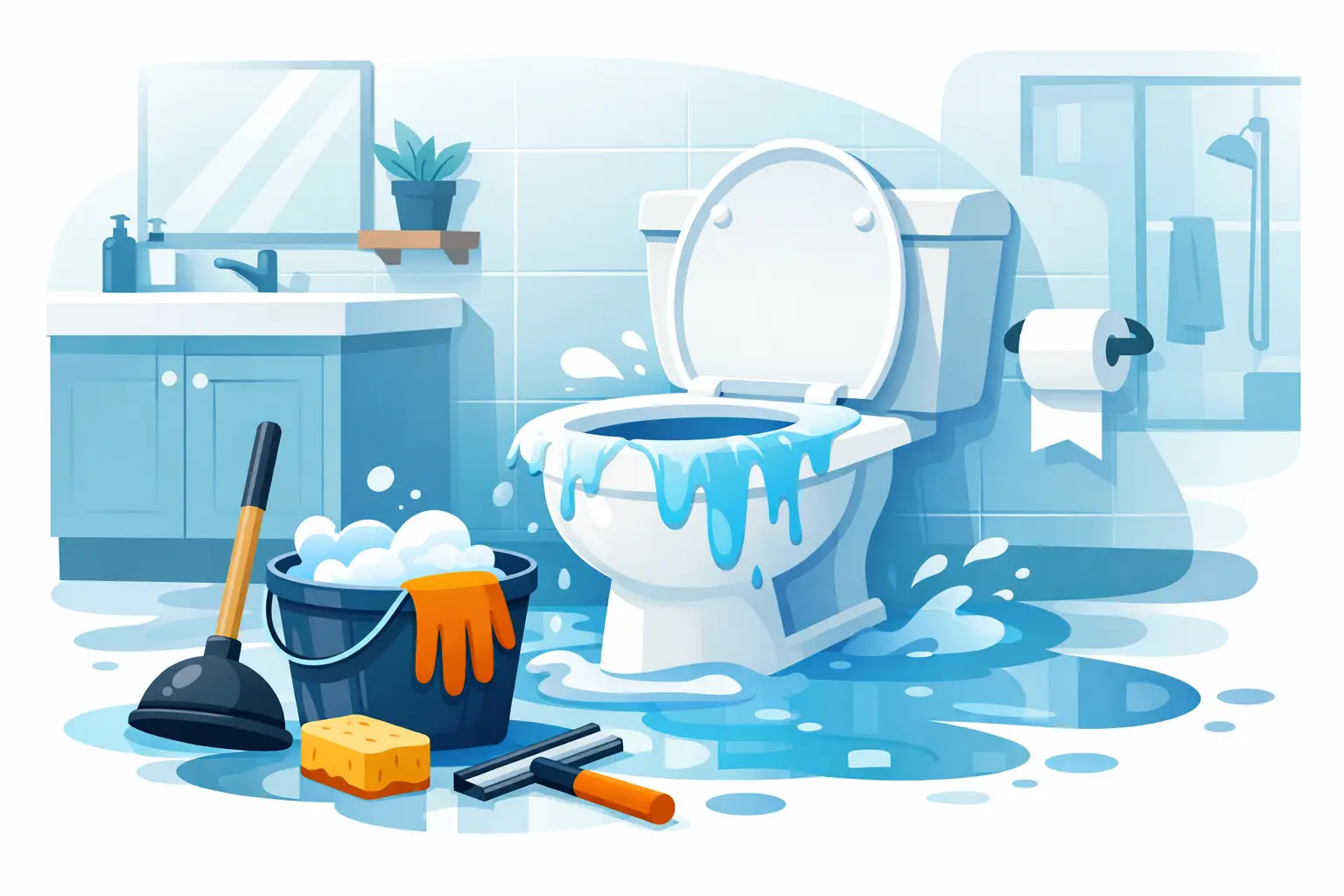
The water is spreading across the bathroom floor, running under the vanity, and heading toward the hallway before you have time to think. In that moment, toilet overflow cleanup for homeowners is not really about deep cleaning tips. It is about stopping damage fast, protecting your home, and knowing when the situation has already moved beyond a basic mop-up.
A toilet overflow can look small at first. Then water gets into baseboards, under flooring, behind trim, and into the subfloor. If the overflow involves contaminated water, the risk goes beyond wet materials and turns into a sanitation problem. That is why the right response in the first few minutes matters.
What toilet overflow cleanup for homeowners really involves
Homeowners often assume a toilet overflow is just standing water on tile. Sometimes that is true if the cause is minor and the overflow is caught immediately. But many bathroom overflows are more serious than they appear, especially when water has been sitting, the toilet backed up from a drain line issue, or the overflow reached nearby materials that absorb moisture.
Cleanup is not only about removing visible water. It can also mean checking for water migration, removing contaminated materials, drying the structure correctly, and addressing bacteria or microbial growth before it turns into a bigger problem. That is where professional restoration makes a difference.
First steps after a toilet overflow
Your first move is to stop the source. If the toilet is still running or close to overflowing again, shut off the water supply valve behind the toilet. If that does not stop the issue or the toilet is backing up from a larger plumbing problem, you may need to turn off water to the house and contact a plumber.
Once the water stops, keep people and pets out of the area. If the overflow water may contain waste, treat it like contaminated water. Do not let kids walk through it. Do not drag bath mats or towels into other rooms. That only spreads the problem.
If it is safe to do so, remove nearby items like rugs, trash cans, or small furniture from the affected area. The goal is simple – contain the damage and avoid pushing water farther into the home.
When a toilet overflow is more than a simple cleanup
Not every overflow needs a full restoration crew, but many do. It depends on where the water went, how long it sat, and what kind of water was involved.
If clean supply water overflowed briefly onto a hard bathroom floor and you stopped it right away, the damage may stay limited. But if the toilet backed up from the bowl or drain line, that water is typically considered contaminated. The same goes for overflow that soaked drywall, vanity bases, laminate flooring, subflooring, or floor vents.
This is where homeowners can lose time trying to decide if it is worth calling for help. The trade-off is simple. Waiting may save a service call today, but hidden moisture and contamination can cost much more if flooring swells, drywall deteriorates, or mold starts growing in enclosed areas.
Why contaminated toilet water changes the cleanup process
A backed-up toilet is not the same as a sink spill. Overflow from the bowl can contain bacteria, waste, and other harmful contaminants. That changes what can be cleaned, what needs to be removed, and how the area should be dried and treated.
Porous materials are the biggest concern. Drywall, insulation, wood composites, and many flooring materials can absorb contaminated water quickly. Once that happens, surface cleaning alone is usually not enough. Materials may need to be removed and the structure beneath them dried and sanitized using proper restoration methods.
That is one reason trained water restoration technicians follow industry standards instead of guessing. The process has to match the category of water and the extent of damage.
What professional cleanup looks like
A proper response starts with inspection, not assumptions. A trained crew checks where the water traveled, what materials were affected, and whether contamination is present. Moisture meters and other professional tools help identify water that is not visible on the surface.
From there, the work may include water extraction, removal of damaged materials, detailed cleaning, antimicrobial treatment when appropriate, and structural drying with air movers and dehumidifiers. If the overflow spread into adjacent rooms or lower levels, drying plans need to account for those spaces too.
The goal is not just to make the bathroom look clean again. It is to return the area to a dry, safe condition and reduce the chance of odor, mold, or structural issues later.
Common mistakes homeowners make after an overflow
The biggest mistake is underestimating the damage. Bathroom floors often hide water well, especially around toilet flanges, behind baseboards, and under vinyl or laminate. A floor can look dry while moisture remains trapped underneath.
Another common mistake is using household fans without addressing contamination or removing affected materials. Air movement can help in the right setup, but it is not a substitute for extraction, sanitation, and verified drying.
Some homeowners also try to clean contaminated overflow with standard store-bought products and keep everything in place. That can work for very minor surface contact on non-porous materials, but not when sewage-affected water has soaked into building materials. In those cases, the issue is no longer basic housekeeping.
Signs you should call for professional help right away
If the toilet overflow involved waste water, call right away. The same is true if water reached carpet, drywall, cabinetry, subflooring, or rooms outside the bathroom. Fast response matters because wet materials can deteriorate quickly, and microbial growth can begin sooner than many people expect.
You should also bring in help if the bathroom has repeated overflows, a strong sewage odor, or signs that water may have reached lower levels of the home. Those are warning signs of a bigger plumbing or drainage issue, not just a one-time spill.
For homeowners in Mason and nearby communities, a local company with water damage and sewage cleanup experience can usually move faster and understand the kinds of homes and layouts common in the area. That local response time matters when every hour affects drying and cleanup costs.
The value of trained restoration after a toilet overflow
There is a reason homeowners call professionals for this kind of loss even when the affected area seems small. Toilet overflow cleanup sits at the intersection of water damage, sanitation, and structural drying. If one part is missed, the rest of the job can unravel.
A dependable restoration company brings more than equipment. It brings judgment. That means knowing when a bathroom floor can be cleaned and dried in place, when materials need removal, and when hidden moisture or contamination is likely to create secondary problems. It also means documenting the damage clearly, which can help if you are dealing with an insurance claim.
Companies with IICRC-focused water damage restoration and microbial remediation knowledge are better equipped to handle the job the right way. That kind of training matters most when the overflow is not limited to a clean-water incident.
What homeowners can expect during service
A good cleanup process should feel organized, not chaotic. You should get a clear explanation of what was affected, what needs to happen next, and whether materials can be saved. The work area should be contained and handled with care, especially if the home is occupied during cleanup.
You should also expect honesty. Sometimes the damage is limited and the fix is straightforward. Other times, there is no safe shortcut. A trustworthy contractor tells you the difference and focuses on what protects your home long term.
Kans Water Restoration serves homeowners who need fast, practical help after bathroom overflows, backups, and other water damage problems. That kind of service is not about making a stressful situation sound technical. It is about showing up, getting the water out, drying the structure correctly, and helping you move forward.
If your toilet overflow has gone beyond a simple wipe-up, trust your instincts. Fast action now can spare you a much bigger repair later, and peace of mind is worth a lot when your home has just been turned upside down.

