
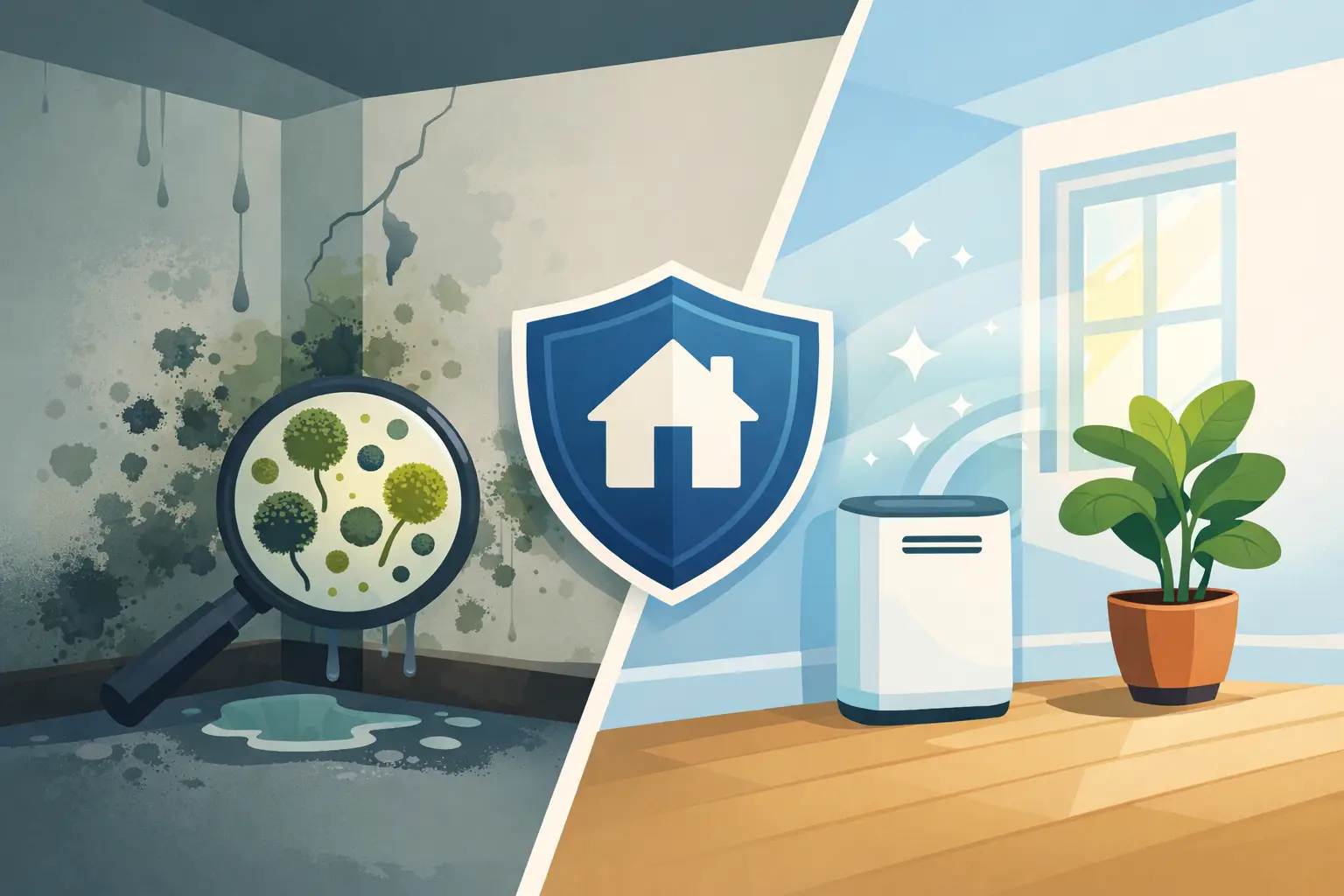
A basement can look clean, smell normal, and still have the conditions for another mold problem. Can mold return after remediation? Yes, but it should not return simply because mold was removed. Repeat growth usually means moisture was never fully corrected, the affected materials were not properly handled, or a new water issue developed after the work was done.
For homeowners in Mason and nearby Cincinnati communities, the real goal is not just to remove visible mold. It is to stop the water, dry the structure, clean or remove affected materials, and make sure the area is safe to put back into use. That is what helps keep a mold problem from becoming a repeat problem.
Can Mold Return After Remediation?
Mold spores are naturally present indoors and outdoors. It is not realistic to create a home with zero mold spores. Mold needs a source of moisture and a surface with organic material, such as drywall paper, wood framing, carpeting, insulation, dust, or stored belongings, to begin growing.
A proper remediation job addresses active growth and the moisture conditions that allowed it to grow. If those conditions are corrected, mold should not grow back in the same area. If humidity stays high, a foundation wall continues to seep, a pipe leaks behind a bathroom wall, or a previous flood was not completely dried, mold can return.
That does not always mean the original remediation was done poorly. A new toilet overflow, roof leak, plumbing failure, appliance leak, or basement flood can create a separate problem. The important question is whether the moisture source was found and corrected before the area was closed up or repaired.
Why Mold Comes Back After Cleanup
The most common reason is hidden moisture. Water can move below flooring, behind baseboards, into wall cavities, under cabinets, and into insulation. A room may feel dry while the materials inside the structure remain wet enough to support mold growth.
Basements are especially vulnerable in Ohio homes. Groundwater pressure, foundation cracks, poor exterior drainage, sump pump issues, and high seasonal humidity can all add moisture to below-grade spaces. Bathrooms, laundry rooms, kitchens, and areas around water heaters are also common trouble spots because even a small ongoing leak can feed mold over time.
Mold can also return when only the visible surface is cleaned. Spraying or wiping a stained wall may improve its appearance, but it will not fix growth inside porous drywall, damp insulation, carpet padding, or unfinished framing. If contaminated materials cannot be properly cleaned, they may need to be removed so the affected area can be dried and treated correctly.
Another issue is incomplete drying after water damage. Drying is not just opening windows or running household fans for a day. Restoration technicians use moisture detection tools, air movement, dehumidification, and monitoring to verify that building materials are drying to appropriate levels. Skipping that process can leave a homeowner with a clean-looking space and moisture trapped where it cannot be seen.
Signs a Mold Problem May Be Returning
Visible spots are a clear warning, but they are not the only one. A persistent musty odor after cleanup often deserves attention, especially in a basement, bathroom, or utility room. The smell may indicate damp materials or hidden microbial growth behind finished surfaces.
Watch for peeling paint, bubbling drywall, warped baseboards, damp carpet edges, stains that keep reappearing, condensation on windows or pipes, and flooring that feels soft or loose. These signs point to moisture, which is the condition that must be controlled.
Some homeowners notice symptoms such as irritated eyes, coughing, or allergy-like discomfort when they spend time in a certain room. Those symptoms can have many causes, so they should not be used alone to identify mold. But when they occur along with a musty smell or water damage, it is reasonable to have the area inspected.
What Proper Remediation Should Include
Mold remediation is more than surface cleaning. The scope depends on the size of the affected area, the materials involved, and whether water damage is still active. A trained restoration team begins by identifying the source of moisture and checking where water has traveled.
The area may need containment to limit the spread of dust and spores during removal. Affected porous materials, such as wet drywall or insulation, may be removed when they cannot be restored. Remaining structural materials are cleaned using methods appropriate for the surface, then the area is dried with professional equipment.
Just as important, the crew should verify drying progress rather than guessing. Moisture readings help show whether wood, drywall, and other materials are approaching normal dry conditions. In some cases, repairs should wait until the affected area has been cleaned and dried completely.
This approach matters after sewage backups and contaminated water events as well. Water from a drain backup, toilet overflow, or flood can carry contaminants into floors, walls, and belongings. Those situations require more than basic drying because the affected materials must be evaluated for safe cleaning, removal, and sanitation.
The Moisture Fix Is What Prevents Repeat Growth
No mold treatment can overcome an active leak. Before repairs begin, make sure the cause is addressed. That may mean repairing a plumbing line, replacing a failed supply hose, correcting a roof leak, servicing a sump pump, improving downspout drainage, or sealing a foundation issue when appropriate.
Humidity control matters too. A finished basement can be comfortable most of the year but become damp during humid summer weather. A properly sized dehumidifier, good airflow, and attention to condensation can make a major difference. Keep stored items off basement floors when possible, and avoid pushing furniture tightly against cold exterior walls where air cannot circulate.
There is a trade-off to consider with quick cosmetic repairs. Replacing drywall, repainting, or installing new flooring before moisture is corrected may make the space look better for a short time, but it can hide a continuing problem. Waiting for proper drying and verification can feel inconvenient after a water emergency, yet it helps protect the new finishes and reduces the chance of another disruption.
When to Call a Mold Remediation Professional
Small areas of minor surface mildew can sometimes be managed when the moisture source is obvious and fully corrected. But a professional inspection is the safer choice when mold keeps returning, covers a large area, appears after flooding or sewage, is inside walls or under flooring, or accompanies a strong musty odor.
Homeowners should also call for help when the source is unclear. Cutting into walls, removing wet materials, or disturbing hidden mold without containment can spread debris into other rooms. A trained restoration company can assess the damage, locate moisture, establish the right scope of work, and handle both the immediate cleanup and structural drying.
Kans Water Restoration helps homeowners and businesses in Mason, West Chester, Loveland, Maineville, Liberty Township, Blue Ash, Kenwood, Montgomery, and surrounding areas respond to water damage and mold concerns. With industry-standard restoration methods and experienced technicians, the focus is on getting the affected space dry, clean, and ready for proper repair.
After Remediation: Keep the Area in Good Shape
Once the work is complete, keep an eye on the original problem area during the next few weeks and after heavy rain. Check around plumbing fixtures, water heaters, washing machines, basement walls, and sump systems. A fast response to a new leak is far less costly than waiting for damp materials to develop a larger mold problem.
If the smell returns, staining appears, or the room feels damp again, do not cover it up with paint, fragrance, or new flooring. Treat it as a moisture warning and have it checked. A dry home is the best defense against mold, and prompt professional help can keep a small water issue from becoming another major cleanup.

