
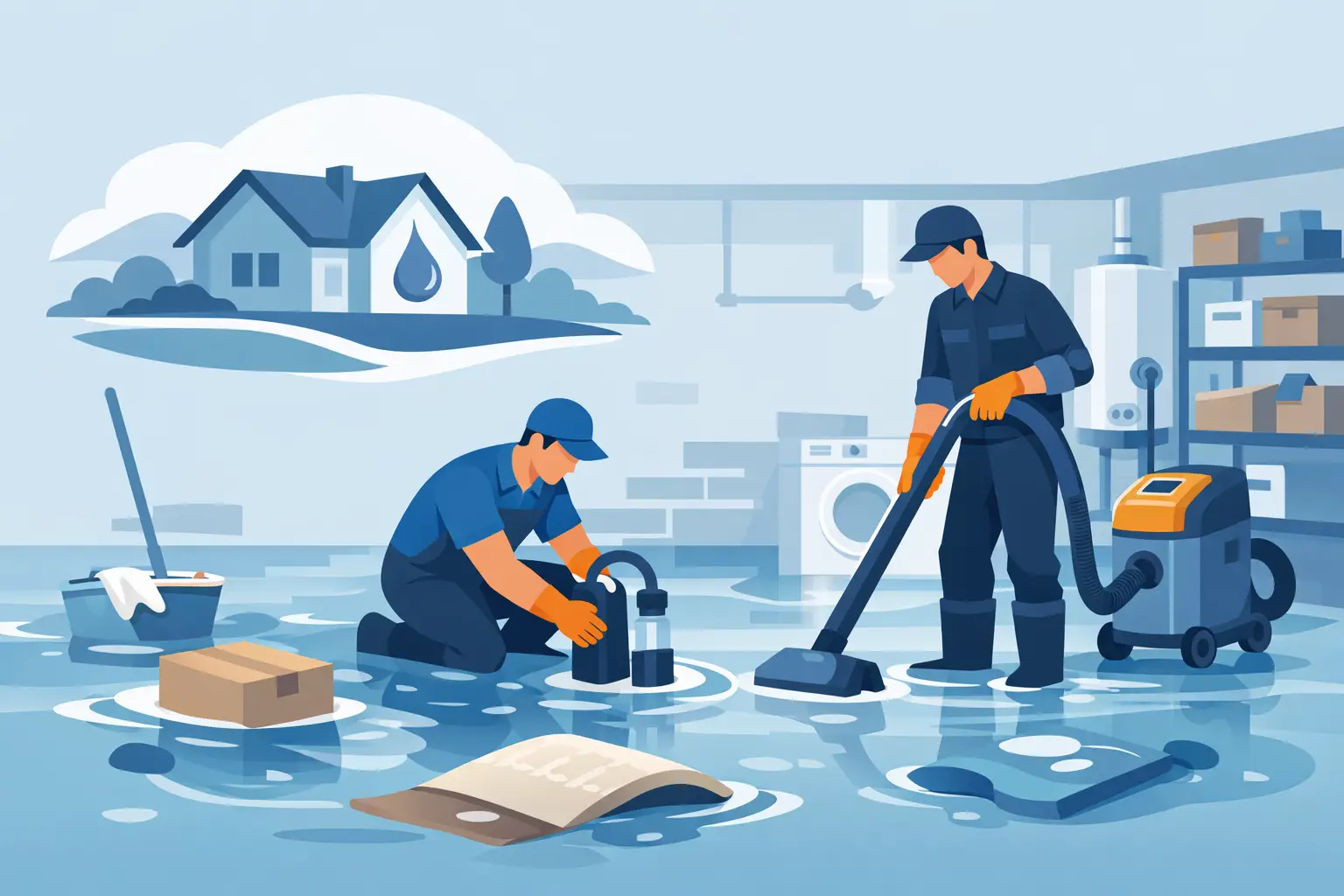
A flooded basement can turn from a wet floor into damaged drywall, warped flooring, mold growth, and a lingering odor faster than most homeowners expect. When you are comparing the best basement flood cleanup companies, the right choice is not simply the company that can remove visible water. You need a local restoration team that can respond quickly, identify where the water came from, dry the structure completely, and help protect your home from secondary damage.
For homeowners in Mason and nearby Cincinnati communities, speed matters. But so does doing the job correctly the first time.
What the Best Basement Flood Cleanup Companies Do
A professional flood cleanup company should handle more than water extraction. Standing water is the immediate concern, but moisture can move into carpet padding, baseboards, drywall, wood framing, insulation, and stored belongings. If those materials are not properly evaluated and dried, the basement may look fine while mold or material damage continues behind the walls.
The best companies start by assessing the source and category of water. A basement flooded by a clean supply line leak requires a different cleanup approach than a basement affected by a sewage backup, toilet overflow, or drain backup. Contaminated water can carry bacteria and other hazards, so affected materials may need cleaning, removal, and specialized sanitation.
A complete response typically includes water extraction, moisture inspection, removal of unsalvageable materials when needed, structural drying, cleaning, and monitoring until the area reaches appropriate drying conditions. This work calls for commercial-grade extraction equipment, air movers, dehumidifiers, moisture meters, and trained technicians who know how to use them.
Fast Response Is More Than Convenience
Water damage does not pause while you compare estimates. The longer water sits in a basement, the more time it has to soak into building materials and personal property. Carpet backing can separate, engineered flooring can swell, drywall can wick moisture upward, and wood can begin to distort.
Fast service can reduce the scope of repairs, especially when cleanup begins within the first day or two. That does not mean a company should rush through the work. It means they should arrive prepared to extract water, document conditions, place drying equipment, and create a plan based on what is actually wet.
Ask a prospective company how soon it can respond and whether it handles emergency water cleanup. A vague answer is not reassuring when your basement has several inches of water or a drain backup has affected finished living space.
Look for Training and Restoration Experience
Water cleanup is not a job for guesswork. A company should be able to explain how it will determine whether drywall, flooring, insulation, and contents can be saved. It should also know when moisture conditions create a mold concern and when microbial remediation is appropriate.
Training based on IICRC water damage restoration and applied microbial remediation standards is a strong sign that a contractor understands established industry methods. Credentials alone do not guarantee quality, but they show a commitment to proper procedures, safety, and continuing education.
Experience matters just as much. A team that has handled flooded basements, sump pump failures, broken pipes, appliance leaks, and sewage backups knows that every loss has different risks. A small leak behind a finished wall may require more investigation than a visible puddle on a concrete floor. A rain-related flood may also point to drainage, foundation, or sump system issues that need attention after cleanup.
Questions to Ask Before You Hire a Basement Cleanup Company
You do not need to become a restoration expert during an emergency. Still, a few direct questions can help you choose a company that is prepared for the work.
Ask whether the company will inspect the full affected area with moisture-detection equipment instead of relying only on what can be seen. Ask how it handles contaminated water, whether it can remove damaged materials, and how it verifies that structural materials are dry. You should also ask whether the company documents the damage and drying process for your records and potential insurance claim.
Be cautious if a contractor promises that everything can be dried without first inspecting the basement. Some materials can be restored successfully. Others, particularly those exposed to sewage or heavily saturated for an extended time, may need to be removed for health and safety reasons.
A dependable company should give you a clear explanation of the work, not pressure you with confusing language. You should understand what is being cleaned, what is being dried, what may need replacement, and what happens next.
Water Extraction Alone Is Not Enough
Many homeowners see the water disappear and assume the emergency is over. In reality, extraction is only the first phase. Concrete floors can remain damp, but the greater concern is often moisture trapped beneath flooring or inside walls.
Drying equipment is placed based on the specific materials and conditions in the basement. Air movement helps evaporate moisture, while dehumidification removes that moisture from the air. Technicians should revisit the property, take readings, adjust equipment when necessary, and confirm the drying goal has been met before removing equipment.
This process can take several days, depending on the amount of water, the materials involved, the size of the basement, and whether the space is finished. A company that promises to dry every basement in a fixed number of hours is making a claim that may not fit your situation.
When Mold and Sewage Are Part of the Problem
Basement flooding can create ideal conditions for mold, especially when moisture remains in drywall, carpeting, wood, or insulation. Musty odors, visible spotting, damp wall surfaces, and recurring humidity should not be ignored after a flood. Mold remediation may be needed if growth is present or if materials cannot be properly cleaned and dried.
Sewage backups require even more caution. Black water from a sewer or drain backup can contaminate flooring, contents, and porous materials. Cleanup should include proper containment, removal of affected materials when necessary, detailed cleaning, sanitation, and drying. This is not a situation to handle with a shop vacuum and household disinfectant.
Kans Water Restoration helps homeowners and businesses across Mason, West Chester, Loveland, Maineville, Liberty Township, Blue Ash, Kenwood, Montgomery, and surrounding areas address water damage, sewage cleanup, structural drying, and mold concerns with trained, hands-on service.
Local Service Makes a Difference After a Flood
Large national brands may have name recognition, but a capable local restoration company can offer a practical advantage: familiarity with the homes, weather patterns, basement issues, and neighborhoods in the area. Heavy Ohio rain, sump pump failures, frozen or burst pipes, and aging drain lines can all create different cleanup needs.
Choose a company that treats your home like a real job site, not a number in a call center queue. You should expect professional communication, clean work practices, respect for your belongings, and a team that can explain what is happening without making the process harder than it already is.
Price matters, but the lowest quote is not always the lowest cost. Incomplete drying can lead to added repairs, odors, mold growth, and repeat work later. The better value is thorough cleanup that addresses both the water you can see and the moisture you cannot.
What to Do While You Wait for Help
If it is safe, stop the source of water if you can. Shut off a leaking appliance or main water supply when appropriate. Avoid entering a basement with suspected electrical hazards, sewage contamination, or significant standing water. Do not use household fans on sewage-affected areas, and avoid walking contaminated water through clean parts of the home.
Move dry, valuable items out of the affected area if you can do so safely. Take a few photos for documentation, then focus on getting qualified help on site. The sooner a trained team can assess the basement, begin extraction, and set up proper drying, the better chance you have of limiting the damage.
A flooded basement is stressful, but you do not have to wait for mold, odors, or damaged walls to make it worse. Call a qualified local restoration company promptly and ask for a clear plan to get your basement clean, dry, and safe again.

