
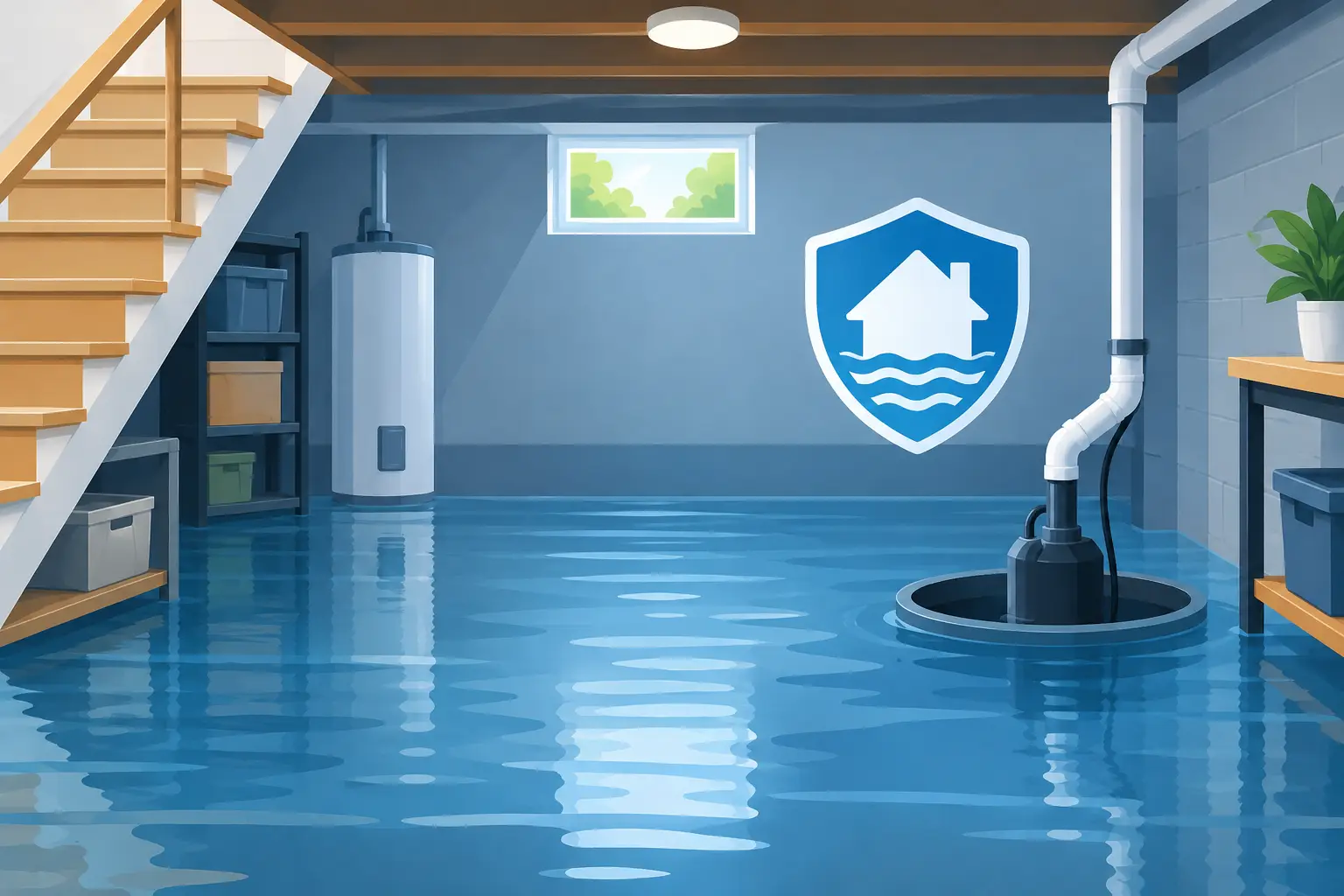
Water spreading across a basement floor can turn a normal day into a property emergency within minutes. The right flooded basement solutions do more than remove visible water. They protect the framing, flooring, stored belongings, electrical systems, and indoor air quality that can all be affected after a leak, backup, or storm.
For homeowners in Mason and nearby Cincinnati communities, the priority is simple: stop the source if it is safe to do so, stay out of contaminated water, and get professional help moving quickly. A basement may look dry again after a few fans run, but moisture can remain under flooring, inside wall cavities, and behind finished surfaces where damage continues.
What to Do When Your Basement Floods
If water is near electrical outlets, appliances, a breaker panel, or extension cords, do not enter the area. Shut off power only if you can do it safely from a dry location. Never walk through standing water to reach an electrical panel.
Next, identify the likely water source without putting yourself at risk. A failed sump pump, burst supply line, toilet overflow, clogged drain, foundation seepage, and stormwater intrusion each require a different repair path. If the water came from a drain backup, toilet, or unknown source, treat it as contaminated. Keep children and pets away from the affected area.
Move only dry, lightweight belongings from the basement if the space is safe. Do not spend valuable time trying to save wet carpet, soaked drywall, or heavy furniture on your own. Water can travel farther than it appears, and improper handling of contaminated materials can create a bigger cleanup problem.
Fast Action Limits the Damage
The first 24 to 48 hours matter. Wet carpet padding, insulation, drywall, baseboards, wood framing, and contents can support mold growth when they stay damp. The longer water remains in place, the more likely a straightforward extraction job turns into demolition, mold remediation, and a longer interruption to your home.
Professional restoration begins with water extraction, but it should not end there. A trained crew assesses where moisture has moved, removes unsalvageable materials when necessary, and sets up proper drying equipment to bring the structure back to an acceptable moisture level.
Flooded Basement Solutions Depend on the Water Source
Not all basement floods are the same. The source and category of water determine what can be cleaned, what needs to be removed, and how the area should be dried.
Clean water from a broken pipe or appliance supply line can still cause serious damage to finished basements. Carpet, padding, laminate flooring, drywall, and insulation may need attention even when the water itself began clean. If it sits too long or contacts dirty surfaces, its contamination level can change.
Gray water from a washing machine discharge, dishwasher, or some drain overflows requires more caution. It may contain chemicals or contaminants that make basic shop-vac cleanup a poor choice. Technicians evaluate affected materials and clean or remove them based on the extent of exposure.
Sewage backups and toilet overflows are more urgent. Black water can contain bacteria, viruses, and other harmful contaminants. Materials such as carpet padding, porous insulation, and wet drywall often cannot be safely restored after sewage exposure. Proper sewage cleanup includes controlled removal, cleaning, disinfection, structural drying, and steps to address the conditions that allow odors and microbial growth to linger.
Stormwater can be equally unpredictable. Water entering through foundation cracks, window wells, or overwhelmed drainage systems may carry soil, chemicals, and debris. The cause needs correction after emergency drying, or the same problem can return during the next hard rain.
Why Water Extraction Alone Is Not Enough
A basement can look better immediately after standing water is removed. That does not mean the job is finished. Water follows gravity, wicks into drywall, collects below flooring, and soaks into the lower edges of wood framing. Finished basements are especially vulnerable because many materials hide moisture from view.
Professional moisture detection helps identify wet areas behind walls, under carpeting, around baseboards, and near stairwells or adjoining rooms. Restoration teams use commercial extraction equipment, air movers, dehumidifiers, and moisture monitoring to dry the structure in a controlled way. The goal is not simply to make the room feel dry. It is to reduce moisture within the materials themselves.
This process also helps prevent musty odors and mold. Mold does not need a dramatic flood to become a problem. A damp wall cavity, wet carpet pad, or slowly drying wood floor can provide enough moisture for growth. If mold is already visible or a basement smells earthy after water damage, the area may need a more focused inspection and remediation plan.
Protecting Your Belongings
Contents restoration depends on the material, contamination level, and how quickly the items are addressed. Some solid wood furniture, metal shelving, plastic storage bins, and nonporous items can often be cleaned and dried. Upholstered furniture, mattresses, paper goods, cardboard boxes, insulation, and fabric items are more difficult, particularly after a sewage backup.
Take photos of the damage before items are discarded when possible. This documentation can help with an insurance claim. Then let the restoration assessment guide decisions about what can be saved safely and what should be removed. Trying to hold onto contaminated or heavily saturated materials can prolong odors and increase cleanup costs.
A Professional Basement Drying Plan
Reliable restoration work follows a process. The details vary by property, but a thorough response typically includes these steps:
- Emergency water extraction to remove standing water quickly.
- Moisture inspection of floors, walls, trim, contents, and concealed areas.
- Removal of damaged or contaminated materials that cannot be safely dried.
- Placement of commercial drying and dehumidification equipment.
- Ongoing moisture checks until affected materials meet drying goals.
- Cleaning, sanitizing, and odor control when the water source requires it.
This work is especially valuable in homes with finished basements. Drywall, trim, carpet, luxury vinyl plank, laminate, and built-in cabinetry may all respond differently to water exposure. Removing too little can leave hidden moisture behind. Removing too much can add unnecessary repair expense. Experience matters when making those calls.
Kans Water Restoration provides local water cleanup, structural drying, mold remediation, and sewage cleanup for homeowners and businesses dealing with these situations. Technicians use industry-standard equipment and methods aligned with IICRC water damage restoration and applied microbial remediation practices, with attention to both immediate cleanup and the secondary damage water can cause.
When to Call for Emergency Help
Call a restoration professional right away when there is standing water, a sewage backup, water near electrical components, visible mold, a strong musty odor, or flooding in a finished basement. You should also call if the water source is unknown, if the basement has been wet for more than a few hours, or if carpeting and drywall are saturated.
A small leak can sometimes be handled by a plumber and a dry towel. A basement flood is different. Once water reaches porous building materials or spreads beyond one small area, professional extraction and structural drying are usually the safer choice. The cost of responding early is often lower than replacing more finishes later.
Preventing the Next Basement Flood
After the emergency is under control, address the reason the water got in. Have plumbing failures repaired, check sump pump operation, keep gutters and downspouts moving water away from the foundation, and inspect window wells and grading around the home. If your basement has flooded before, do not assume the previous cleanup solved the underlying problem.
A backup sump pump and a battery-powered alarm can provide useful protection during power outages or heavy rain. Still, prevention measures are not a substitute for prompt cleanup when water gets inside. Even a well-maintained home can face an unexpected pipe break, appliance failure, or sewer issue.
A flooded basement is stressful, but the next step does not need to be uncertain. Keep people safe, avoid contaminated water, document the damage, and bring in trained help before moisture settles into the structure. Quick, careful restoration gives your home the best chance to recover cleanly and get your basement back to being usable space.

