
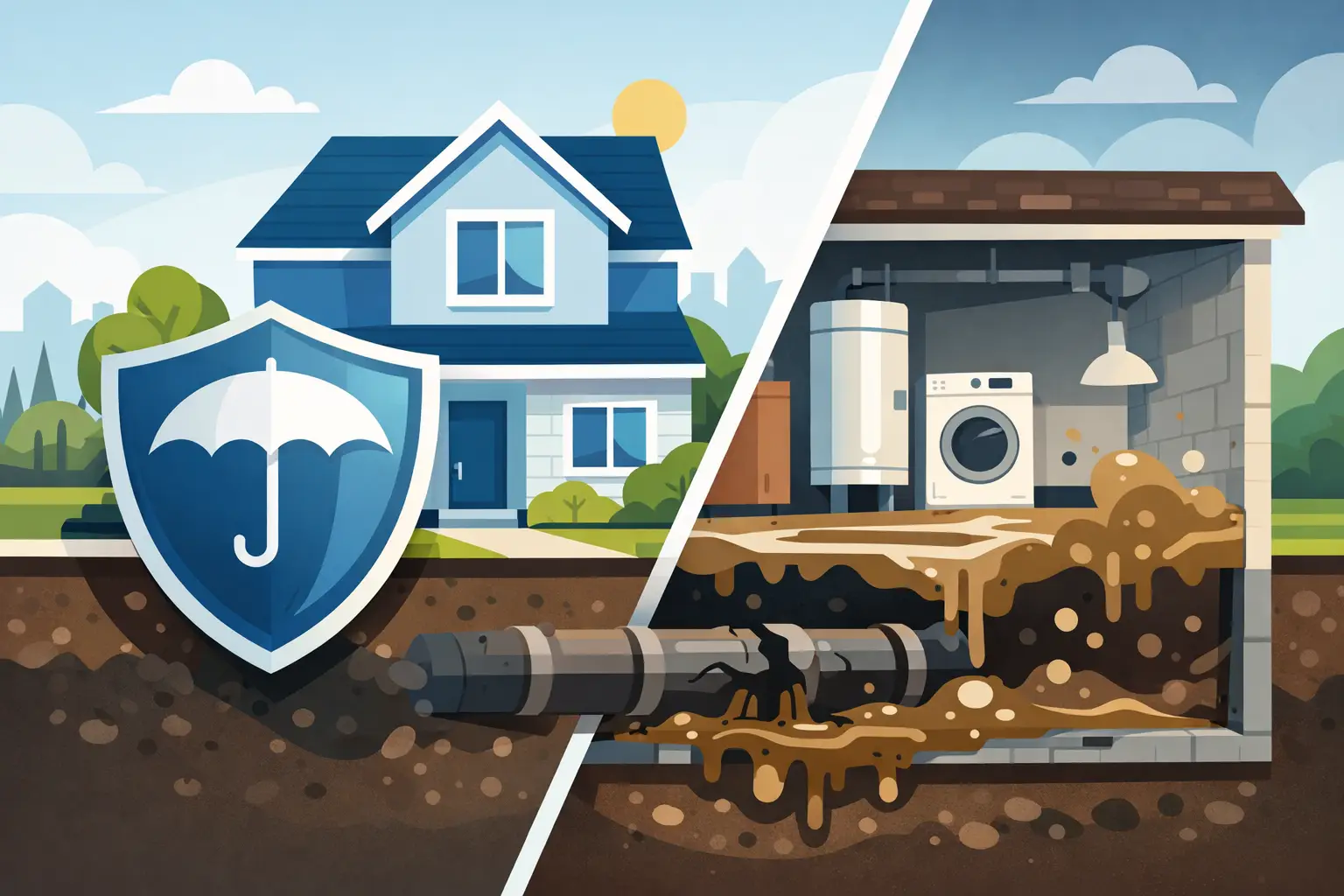
A sewer backup can turn a finished basement or bathroom into a contaminated cleanup site within minutes. When homeowners ask, “does homeowners insurance cover sewage damage,” the honest answer is: sometimes, but not automatically. Coverage usually depends on what caused the backup, the endorsements on your policy, and how quickly the loss is reported and documented.
For homeowners in Mason and nearby Cincinnati communities, the priority should be protecting people and preventing additional damage first. Sewage-contaminated water can carry harmful bacteria and other pathogens. Avoid contact, keep children and pets away, and bring in trained cleanup professionals before worrying about which items can be saved.
Does Homeowners Insurance Cover Sewage Damage From a Backup?
A standard homeowners policy may cover sudden, accidental water damage from a plumbing failure inside the home. For example, a toilet that unexpectedly overflows because of a blockage or a failed drain line may qualify for coverage, depending on the policy language.
However, many standard policies exclude or limit water that backs up through sewers, drains, or sump pumps. That is why many homeowners add a sewer and drain backup endorsement. This optional coverage can help pay for damaged flooring, drywall, belongings, cleaning, and restoration after water enters through a backed-up drain or sewer line.
The limit matters. A policy may include only $5,000 or $10,000 in backup coverage, while a serious sewage loss in a finished basement can cost much more to clean, dry, remove contaminated materials, and rebuild. Review the endorsement limit before a problem happens, especially if you have carpet, drywall, furniture, storage, or finished living space below grade.
The Cause of the Damage Makes a Difference
Insurance companies look closely at the source of the sewage and water. Two losses that look similar on the floor can be handled very differently by a policy.
If a pipe inside your home suddenly breaks or a toilet line fails without warning, the resulting damage may fall under accidental discharge or overflow coverage. The insurer may pay for the water damage and necessary cleanup, though the failed pipe or plumbing part itself may not be covered.
If sewage backs up from a municipal sewer, a clogged main drain, or a sump pump failure, coverage often depends on whether you purchased the right endorsement. Without it, the claim could be denied even if the damage is extensive.
Flooding is another separate issue. If heavy rain causes surface water to enter the home or overwhelms the sewer system, standard homeowners insurance generally does not cover flood damage. Flood insurance is typically a separate policy. A backup endorsement and flood insurance solve different problems, and homeowners in low-lying areas or homes with vulnerable basements may need both.
Common Sewage Damage Exclusions
Policies vary, but exclusions often involve preventable conditions, neglected maintenance, and events that require separate coverage. A claim may be more difficult when the issue developed slowly, such as a long-term pipe leak behind a wall or repeated backups that were never repaired.
Insurers may also question losses tied to tree roots in a private sewer lateral, an aging line, or a known drainage problem. In some cases, the policy may help with interior damage while excluding the cost to repair the damaged underground line. Service line coverage is a separate option worth asking your insurance agent about.
Mold can create another coverage question. If mold develops as a direct result of a covered, sudden water loss and the area is addressed promptly, limited coverage may be available. But mold caused by ongoing moisture, poor ventilation, or delayed cleanup is often excluded. Fast drying and documented mitigation protect your home and can help support a claim.
What to Do Immediately After a Sewage Backup
Sewage cleanup is not a typical water cleanup job. Black water from toilets, sewer lines, and contaminated drains can affect porous materials, hidden wall cavities, insulation, subflooring, and contents. Trying to shop-vac the water and run fans may spread contamination or leave moisture behind where mold can grow.
Start by stopping the source if it is safe to do so. Do not flush toilets, run sinks, use the dishwasher, or operate the washing machine if you suspect a main drain backup. If water is near outlets, appliances, or electrical panels, stay clear of the area and shut off power only if you can do it safely.
Then take clear photos and short videos before moving belongings, if conditions allow. Document affected rooms, visible water levels, damaged contents, and the source of the backup. Call your insurance carrier to open a claim and ask whether your policy includes sewer or drain backup coverage. Be ready to provide your policy number, the date and time of loss, and a basic description of what happened.
Next, arrange professional sewage cleanup as soon as possible. Restoration technicians can extract contaminated water, remove unsalvageable materials, clean and disinfect affected surfaces, set drying equipment, and monitor moisture levels. That work reduces the risk of odors, bacterial contamination, structural damage, and mold growth.
How Professional Cleanup Supports Your Claim
Insurance adjusters need a clear record of the damage and the work required to return the property to a safe condition. A professional restoration team can provide photos, moisture readings, equipment records, and detailed documentation of affected materials.
This matters because sewage water does not always stay where it first appears. Water can wick into drywall, travel beneath flooring, soak baseboards, and contaminate insulation. Removing only the visible water may leave hidden moisture and contamination behind. Proper mitigation follows industry-standard processes to identify affected areas, remove materials that cannot be safely restored, and dry the structure thoroughly.
Kans Water Restoration provides emergency water extraction, sewage cleanup, structural drying, and mold remediation for homeowners throughout Mason, West Chester, Loveland, Maineville, Liberty Township, and nearby communities. When a backup affects your home, fast professional help can limit the loss while you work through the insurance process.
Before You Sign Off on a Claim
Do not assume the first coverage answer is the final answer. Ask your carrier whether the loss is being evaluated as a plumbing overflow, sewer or drain backup, flood-related event, or maintenance issue. Ask for the applicable coverage limit, deductible, excluded items, and whether cleaning, demolition, drying, and reconstruction are included.
Keep copies of claim emails, adjuster notes, invoices, photos, and any reports from a plumber or restoration company. If the insurer requests an estimate or inspection, respond promptly. Delays can make it harder to show that the damage was sudden or that reasonable steps were taken to prevent further loss.
It is also wise to avoid throwing away damaged items until the adjuster has reviewed them or told you otherwise. When items are contaminated beyond safe cleaning, photograph them carefully and make a list with estimated age and value before disposal.
Preventing the Next Backup
No prevention step guarantees that a sewer line will never back up, but maintenance can reduce the risk. Have recurring drain problems inspected instead of relying on chemical drain cleaners. Keep wipes, grease, paper towels, feminine products, and other non-flushable materials out of toilets and drains. If your home has a sump pump, test it regularly and consider a battery backup.
For homes with older sewer laterals or frequent basement backups, a plumber may recommend camera inspection, root removal, pipe repair, or a backwater valve. Those improvements can be far less disruptive than another contaminated basement cleanup.
A sewage backup is stressful, messy, and time-sensitive, but you do not have to guess your way through it. Protect the area, document the damage, call your insurer, and get qualified cleanup help quickly so your home can start moving back toward safe, clean, dry conditions.

