
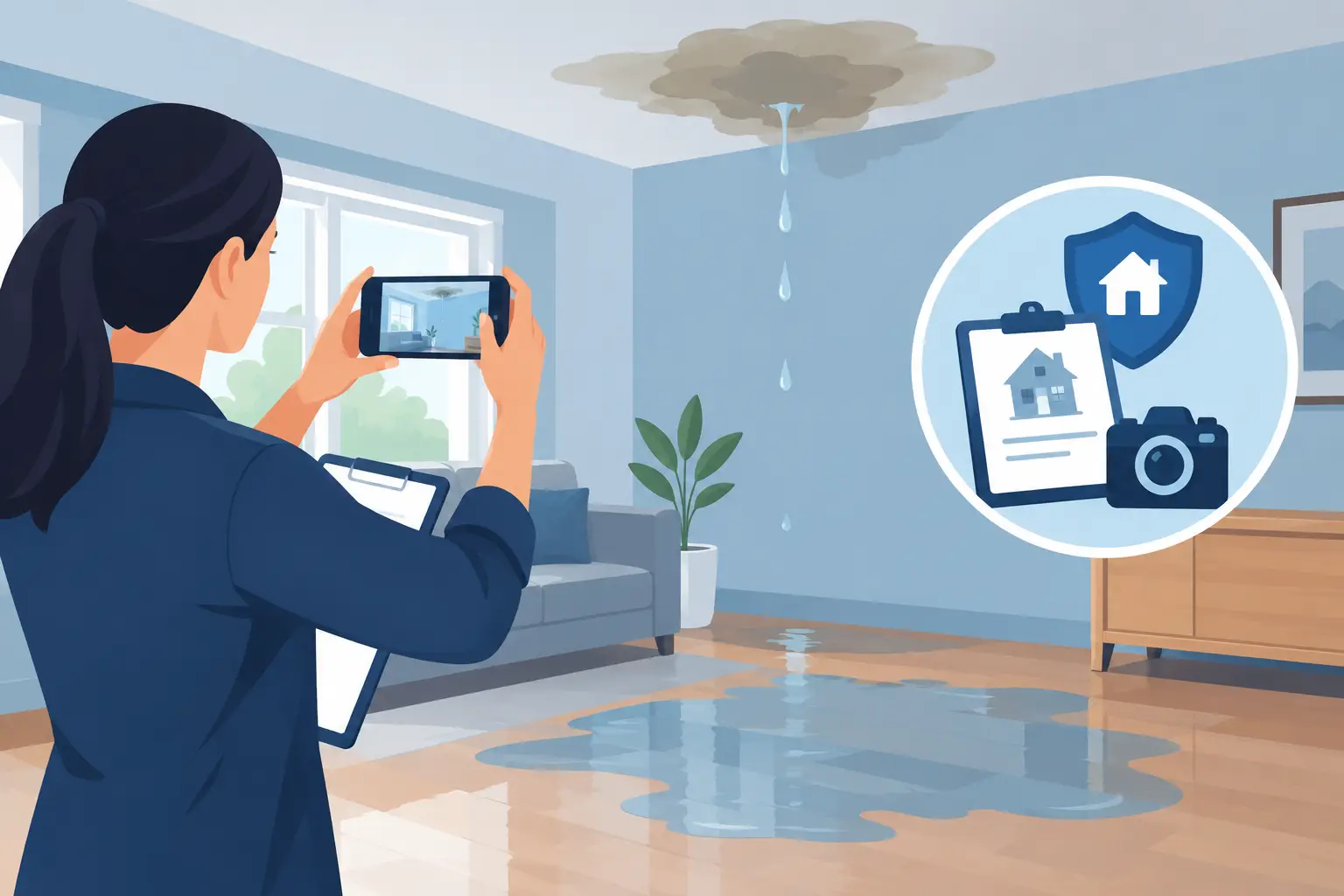
Water on the basement floor, a ceiling stain that appeared overnight, or a toilet overflow can turn into a major claim fast. Knowing how to document water damage before cleanup begins gives your insurance company a clear record of what happened, what was affected, and why professional drying may be necessary.
For homeowners in Mason and nearby Cincinnati communities, the priority is always safety and stopping the source. Once it is safe to do so, take a few minutes to create a thorough record. Those first photos and notes can make a real difference when questions arise later about damaged flooring, drywall, contents, mold growth, or the extent of necessary repairs.
Start Documenting Water Damage Before Cleanup
If water is still entering the home, shut off the source when possible. Turn off a supply valve for a leaking appliance or toilet, or contact a plumber if the source cannot be safely stopped. If water is near outlets, electrical panels, appliances, or wiring, stay out of the area and do not touch standing water.
After immediate safety concerns are addressed, document the damage before removing wet materials, moving furniture, or running fans. You do not need professional camera equipment. A phone is enough, as long as the photos are clear, well lit, and saved somewhere secure.
Do not delay water extraction just to build a perfect file. Water can continue soaking into carpet padding, subflooring, wall cavities, insulation, and wood framing. Take the initial pictures quickly, then get help with extraction and structural drying. A restoration professional can also document moisture conditions and affected building materials as work begins.
Take Clear Photos and Video of Every Affected Area
Start wide, then get close. Wide shots show where the damage occurred and how far water spread through the room. Close-up photos show details such as warped baseboards, wet carpet edges, swollen cabinetry, stained drywall, peeling paint, damaged personal belongings, and visible contamination.
Take photos from more than one angle. Include doorways, walls, ceilings, floors, stairs, utility rooms, closets, and adjoining spaces if water may have traveled there. Water often moves farther than homeowners first realize, especially in basements and bathrooms.
Video is useful because it provides context. Slowly walk through the affected space while describing what you see. Mention the location, the apparent source, and the materials involved. For example: “This is the finished basement below the laundry room. Water is coming from the washing machine supply line and has reached the carpet, drywall, and storage area.” Keep the recording steady and avoid rushing through the room.
Include evidence of the source whenever possible. Photograph a burst pipe, failed water heater, leaking refrigerator line, backed-up floor drain, overflowing toilet, or damaged roof area. If the source is no longer visible because a plumber made an emergency repair, photograph the repaired area and keep the invoice or written service record.
Make a Written Timeline While Details Are Fresh
Photos show the physical damage. Your notes explain the sequence of events. Start a simple timeline on your phone or a sheet of paper as soon as you can.
Write down when you first noticed the problem, what you saw or heard, and what actions you took. Include the date and approximate time the leak, overflow, backup, or flood was discovered. Note whether the water was clean, dirty, or sewage-contaminated if that is apparent. Do not handle contaminated water without proper protection.
Your timeline should also include when you shut off water, called a plumber, contacted your insurer, and requested restoration service. Record the names of anyone you speak with, the company name, and any claim number provided. If an adjuster, plumber, or restoration technician visits, note the date, time, and what they observed.
This does not need to read like a formal report. Clear, factual notes are best. Avoid guessing about the cause if you do not know it. State what you observed: “Water was flowing from behind the refrigerator” is more helpful than assuming a pipe failure without confirmation.
Create an Inventory of Damaged Belongings
Water damage claims often involve more than the structure of the home. Furniture, electronics, rugs, clothing, books, tools, appliances, and stored keepsakes may all be affected. Before throwing anything away, photograph it and add it to an inventory.
For each item, list what it is, where it was located, its approximate age, and its condition after the water event. If you know the brand, model, purchase date, or estimated cost, include that information. Receipts, warranty paperwork, old photos, and bank statements can help support ownership and value, but do not hold up emergency cleanup while searching for every document.
Some items can be cleaned, dried, or restored. Others may be unsafe or impractical to save, particularly porous belongings exposed to sewage or contaminated backup water. Keep damaged items until the insurer advises otherwise when possible. If disposal is necessary for health or safety reasons, photograph the item thoroughly first and document why it was removed.
Save Receipts and Records From the First Day
Keep every document connected to the loss in one place. This may include emergency plumbing invoices, water extraction bills, temporary repairs, dehumidifier rentals, hotel costs if the home is unlivable, and receipts for protective supplies or cleaning materials.
Use a folder, envelope, or phone folder labeled with the claim date. Save copies of emails, text messages, estimates, adjuster instructions, and contractor reports. If you speak to your insurance carrier by phone, write down the representative’s name and a short note about what was discussed.
Insurance policies differ. Coverage may depend on the source of the water, the type of damage, maintenance history, endorsements, deductibles, and other policy language. Good documentation cannot change the policy, but it can give the insurer a much clearer picture of the loss and prevent avoidable confusion.
Document Hidden Moisture, Not Just Visible Damage
A dry-looking surface is not always a dry structure. Water can sit beneath vinyl flooring, behind baseboards, inside walls, under cabinets, and below carpet padding. This is one reason prompt professional inspection matters after a significant leak or flood.
A trained water restoration team uses moisture meters, thermal imaging, and other specialized equipment to identify affected materials and track the drying process. Their records may include moisture readings, photos of removed materials, equipment placement, and daily drying documentation. That information can support the scope of work while helping reduce the chance of lingering odors, damaged materials, or mold growth.
Do not paint over a water stain, replace flooring, or close up a wall before the moisture issue has been evaluated. Cosmetic repairs can hide evidence of the loss and trap moisture where it can create a larger problem later.
Be Careful With Sewage and Contaminated Water
Not all water damage is the same. A clean supply-line leak requires a different response than a toilet overflow involving waste, a drain backup, or outside floodwater. Contaminated water can carry bacteria and other hazards into carpet, drywall, contents, and air spaces.
Take photos from a safe distance, keep children and pets away, and avoid trying to clean sewage-contaminated materials yourself. Do not use a household vacuum on standing water or run fans that may spread contaminants. Professional cleanup and removal of affected porous materials may be needed to return the space to a safe condition.
Call for Help Before Water Damage Spreads
Documentation is valuable, but drying the property quickly is what limits the damage. If your basement, bathroom, kitchen, or other interior space has standing water, soaked materials, a backup, or a persistent leak, call for professional help as soon as possible.
Kans Water Restoration provides water extraction, structural drying, sewage cleanup, and mold remediation for homeowners and businesses in Mason and surrounding communities. Experienced technicians can document affected areas, remove water, monitor drying, and help you move from emergency cleanup toward repair.
Your photos, notes, and receipts tell the story of the loss. Taking them early, then getting qualified help to dry the structure, gives your home the best chance of a cleaner and faster recovery.

