
A flooded basement can look much better after the standing water is pumped out. But that does not mean the damage is over. Extraction versus drying is not an either-or decision during water restoration. Extraction removes the water you can see. Drying addresses the moisture left behind in carpet padding, drywall, subfloors, framing, insulation, and other building materials.
For homeowners in Mason and nearby communities, that distinction matters. A toilet overflow, burst pipe, appliance leak, or storm-related backup can leave enough hidden moisture to cause odors, warped materials, and mold growth even after the floor looks dry. Fast water removal is the first job. Complete structural drying is what helps protect the home afterward.
Extraction Versus Drying: Two Different Jobs
Water extraction is the process of physically removing liquid water from a property. Restoration technicians use truck-mounted extraction, commercial-grade vacuums, pumps, and specialty tools to remove standing water from floors, carpets, padding, and hard-to-reach areas. The more water removed during this stage, the less water has time to soak into the structure.
Drying begins when extraction has removed as much liquid water as possible. It uses controlled airflow, dehumidification, temperature management, and moisture monitoring to pull remaining moisture out of materials and the air. This process is designed to return affected areas to acceptable moisture levels, not simply make them feel dry to the touch.
Think of a soaked carpet after a basement flood. Extraction may remove gallons of water from the carpet and padding in a short time. Yet the concrete beneath it, the baseboards around it, and the wall materials beside it can still hold moisture. If the carpet is removed but the surrounding structure is not dried correctly, the home may develop problems days or weeks later.
Why Fast Extraction Matters
Standing water travels quickly. It can move under flooring, into wall cavities, behind cabinets, and through cracks around trim. The longer it remains, the more likely it is to damage materials that might otherwise be saved.
Fast extraction can reduce the amount of demolition needed after a clean-water loss. It may also limit staining, swelling, and deterioration in flooring materials. In a finished basement, removing water promptly can make a major difference for carpet, furniture, drywall, and personal belongings.
The source of the water also matters. Water from a clean supply line is handled differently from water affected by a drain backup, toilet overflow, or sewage release. Contaminated water can carry harmful bacteria and requires proper cleanup, removal of affected materials when necessary, and disinfection. In those situations, pumping out water is only one part of making the space safe again.
Homeowners often try to handle a small loss with a wet vacuum, fans, and towels. That may reduce visible water, but household equipment rarely has the power to remove moisture from deep within building materials. It also does not identify where water migrated beyond the obvious wet area.
Drying Is What Prevents the Second Wave of Damage
A room can appear dry while moisture remains trapped behind the walls or beneath the floor. That is why professional restoration crews do not rely on appearance alone. They use moisture meters, thermal imaging when appropriate, and regular readings to identify affected materials and track drying progress.
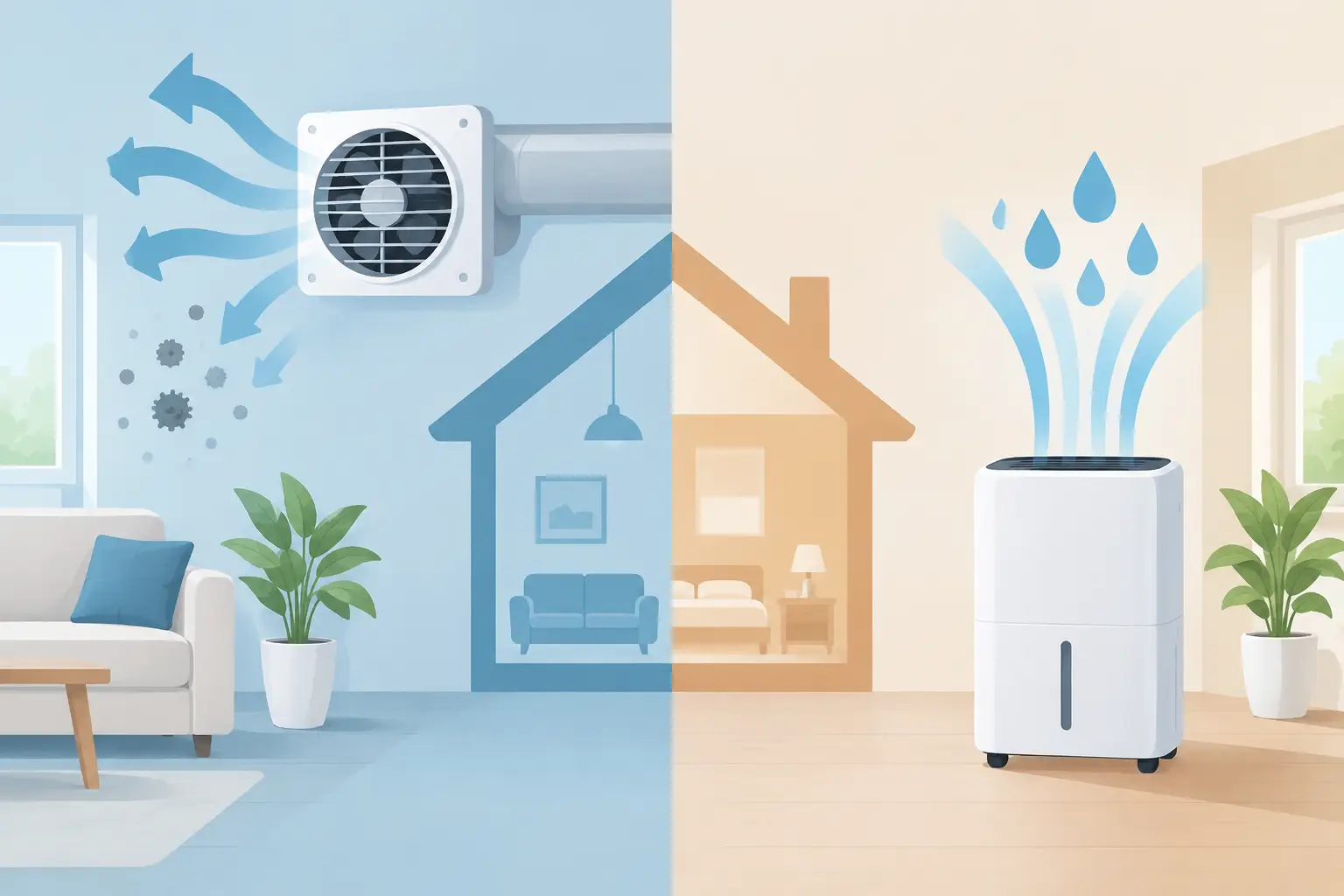
Structural drying typically involves high-velocity air movers and commercial dehumidifiers working together. Air movers encourage evaporation from wet materials. Dehumidifiers capture that moisture from the air so it does not settle back into the home. Proper placement and daily adjustment of equipment are important because every loss is different.
Drying is especially critical in Ohio basements, bathrooms, laundry rooms, and kitchens. These areas often have limited airflow and materials that hold moisture. A leak under a vanity can wet the cabinet base, drywall, and subfloor without creating a large puddle. A basement seepage issue can leave lower wall sections damp long after the concrete floor no longer looks wet.
Without proper drying, hidden moisture can lead to peeling paint, swollen baseboards, buckled flooring, musty smells, and mold. Mold can begin growing quickly when wet materials are left untreated. Once it spreads, the job may require containment, removal of damaged materials, and professional mold remediation in addition to the original water cleanup.
What a Professional Water Restoration Process Looks Like
The right response depends on the source, amount, and duration of the water damage. A small supply-line leak may need focused extraction and drying in one area. A sewage backup or several inches of basement water needs a broader cleanup plan that addresses contamination, affected contents, and structural materials.
A trained restoration team starts by inspecting the affected space and identifying the water source. Stopping the source is essential. Next comes extraction, along with removal or protection of contents that can be saved. Technicians evaluate carpet, padding, drywall, insulation, cabinetry, flooring, and other materials to determine what can be dried and what needs to be removed.
After extraction, drying equipment is placed based on the structure and the moisture readings. The crew monitors conditions during the drying process, adjusts equipment as needed, and documents the results. This approach follows industry-standard restoration practices rather than guessing based on whether the room feels less damp.
Kans Water Restoration brings trained, hands-on experience to water damage situations throughout Mason, West Chester, Loveland, Maineville, Liberty Township, Blue Ash, Kenwood, Montgomery, and surrounding areas. The goal is straightforward: remove the water, dry the structure thoroughly, address contamination or mold concerns, and help the property get back to a safe condition.
When Extraction Alone Is Not Enough
Some signs of hidden moisture show up after the emergency seems finished. A damp or musty odor is a common warning sign, particularly in basements and under-sink areas. New staining on ceilings or walls may point to moisture that has spread beyond the original leak. Flooring that feels soft, lifts at the edges, or begins to cup can also signal water below the surface.
You may also notice baseboards pulling away from the wall, paint bubbling, or condensation appearing in an area that was recently wet. These are not cosmetic issues to ignore. They can indicate that water is still affecting the structure.
The risk is greater when water has had time to sit, when the affected area is enclosed, or when the source is contaminated. Drywall and insulation can absorb water quickly. Carpet padding often holds water even after the carpet surface looks improved. Wood framing can take longer to dry than homeowners expect, especially when wet materials block airflow.
Do Not Wait for Mold to Make the Problem Obvious
A water loss is stressful enough without dealing with a mold problem afterward. The best time to prevent mold is during the initial cleanup, when extraction and drying can be started quickly. Waiting until a room smells musty or visible growth appears can turn a manageable water event into a larger restoration project.
If you have standing water, a recent overflow, a drain backup, or a leak that soaked flooring or walls, treat it as more than a cleaning job. Getting professional help quickly gives your home a better chance of avoiding unnecessary demolition, lingering odors, and moisture-related damage. The water may be out of sight, but your home still needs to be dry.

