
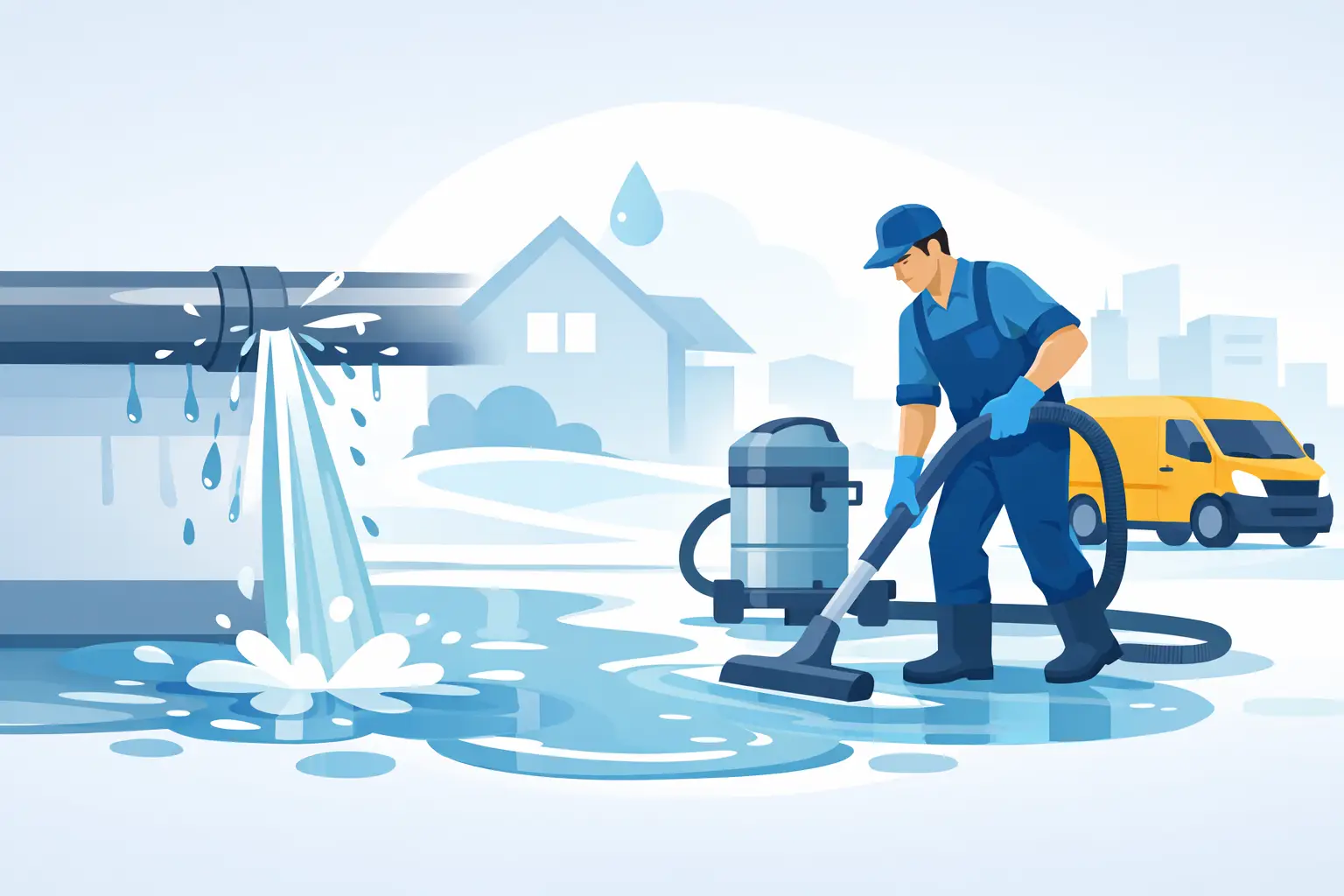
A burst pipe can turn a finished basement, bathroom, kitchen, or business space into a water emergency in minutes. Fast burst pipe water cleanup is not just about removing visible water from the floor. Water can move beneath flooring, behind baseboards, into wall cavities, and through insulation before you have time to react.
For homeowners in Mason and nearby Cincinnati communities, the first priority is simple: stop the water if it is safe to do so, protect people from electrical hazards, and get professional drying started quickly. The longer building materials stay wet, the more likely you are to face swelling wood, damaged drywall, lingering odors, and mold growth.
What Causes the Most Damage After a Pipe Bursts?
The broken pipe is only the start of the problem. A supply line under pressure can release a surprising amount of clean water in a short time. Even after the water is shut off, moisture continues spreading through porous materials such as carpet, padding, drywall, insulation, cabinets, and subflooring.
Water does not always stay where you can see it. A pipe that bursts behind a bathroom wall may soak the framing and insulation while leaving only a small stain on the other side. A leak above a basement ceiling can travel along joists and show up several feet from the actual break. That is why mopping up the puddle alone often leaves part of the damage behind.
Temperature also matters. Frozen pipes commonly burst during winter cold snaps, but damaged connections, aging plumbing, failed appliance lines, and high water pressure can cause problems any time of year. The source affects the repair, while the amount of water and how long it sat affect the restoration work.
What to Do Before Burst Pipe Water Cleanup Begins
Your safety comes first. If water is near outlets, electrical panels, appliances, or light fixtures, stay clear of the area and do not enter standing water. Turn off electricity only if you can reach the panel without crossing wet areas. When in doubt, wait for qualified help.
If you can safely access the main shutoff valve, turn off the water supply to stop the flow. Then move dry valuables, documents, small furniture, and electronics away from the affected area. Do not lift heavy soaked items alone or try to pull wet carpet from a large room. Wet materials can be much heavier than they appear.
These steps can help limit additional loss while you wait for a restoration team:
- Shut off the main water supply or the valve feeding the damaged line.
- Take clear photos and videos of the affected rooms and damaged belongings for your insurance claim.
- Place foil, blocks, or plastic barriers under furniture legs when it can be done safely.
- Remove lightweight items from wet floors and keep children and pets out of the area.
- Avoid using a household vacuum, running ceiling fans near wet electrical fixtures, or opening damaged ceilings yourself.
It is fine to use towels for a small surface spill, but a burst pipe is often bigger than it looks. Professional extraction and moisture testing give you a clearer picture of what has actually been affected.
Why Fast Water Extraction Matters
Water removal is the first major step, but it is not the finish line. After standing water is extracted, materials may still hold a large amount of moisture. Carpet padding can remain saturated underneath a carpet that feels only damp on top. Drywall may wick water upward from the floor. Wood flooring can cup, separate, or loosen as it absorbs moisture.
A proper response uses commercial extraction equipment, targeted air movement, dehumidification, and moisture monitoring. The goal is to dry the structure to an appropriate condition, not simply make the room look dry.
Timing makes a real difference. In many cases, starting cleanup within the first day or two can improve the chances of saving flooring, cabinets, trim, and personal property. Waiting can turn a manageable water loss into a larger demolition and repair project. Still, every situation is different. A small burst under a sink may need limited drying, while a pipe break that runs overnight can affect multiple rooms and the level below.
How Professional Burst Pipe Water Cleanup Works
A trained restoration crew begins by identifying the source and making sure the water has been stopped. Plumbing repair and water restoration are separate jobs, but both need to happen quickly. Once the active leak is controlled, the restoration team evaluates the affected areas, identifies the water category, and documents conditions before cleanup begins.
With a burst supply pipe, the water may have started out clean. However, clean water can become contaminated after moving through dirty building materials, a crawl space, or a drain-affected area. This is one reason professional assessment matters. The safest cleanup plan depends on where the water traveled and what it contacted.
Next comes water extraction. Powerful pumps and extraction tools remove standing water from floors, carpet, padding, and other affected materials. Technicians may remove wet padding, damaged baseboards, or sections of drywall when they cannot be dried properly or when removing them creates access for effective structural drying.
The drying phase is measured, not guessed. Air movers direct airflow across wet surfaces, while commercial dehumidifiers pull moisture from the air. Moisture meters and thermal imaging tools can help locate water in walls, ceilings, and floors that may not be visible. Technicians return to monitor drying progress and adjust equipment as needed.
Kans Water Restoration uses industry-standard restoration methods backed by trained, hands-on experience. A thorough job focuses on the hidden moisture that can lead to later damage, not just the water you can see when the crew arrives.
When Materials Can Be Saved and When Removal Is Needed
Homeowners understandably want to save as much as possible. Often, quick action makes that possible. Non-porous materials such as tile, metal, glass, and many plastic items can usually be cleaned and dried. Hardwood flooring, cabinets, and drywall may be salvageable depending on the amount of water, the length of exposure, and whether the materials have begun to swell or break down.
Some materials are harder to save. Carpet padding is commonly removed after significant saturation because it holds water and dries slowly. Insulation inside walls may also need removal if it is wet. Laminate flooring can trap water underneath and may buckle or separate. A professional moisture inspection helps avoid removing materials that can be dried, while preventing damaged materials from being left in place simply because they look acceptable on the surface.
Watch for Mold and Delayed Damage
Mold can begin growing when moisture remains in a building for too long, especially in dark, enclosed areas behind walls or under flooring. A musty smell, peeling paint, discoloration, warped baseboards, or recurring humidity can all point to unresolved moisture after a pipe break.
Do not cover the problem with paint, new flooring, or deodorizer. If moisture remains, the issue can continue behind the finished surface. Proper drying and, when necessary, mold remediation address the cause rather than hiding the symptoms.
Call for Help Before a Small Loss Grows
A burst pipe does not leave much room for a wait-and-see approach. Even if the water has stopped and the floor looks mostly dry, hidden moisture may still be working into your home. Quick, professional cleanup protects the parts of the property you cannot easily inspect yourself.
If a pipe has burst in your Mason-area home or business, call for a prompt assessment and estimate. The right response now can mean a cleaner, safer space and far less to repair later.

