
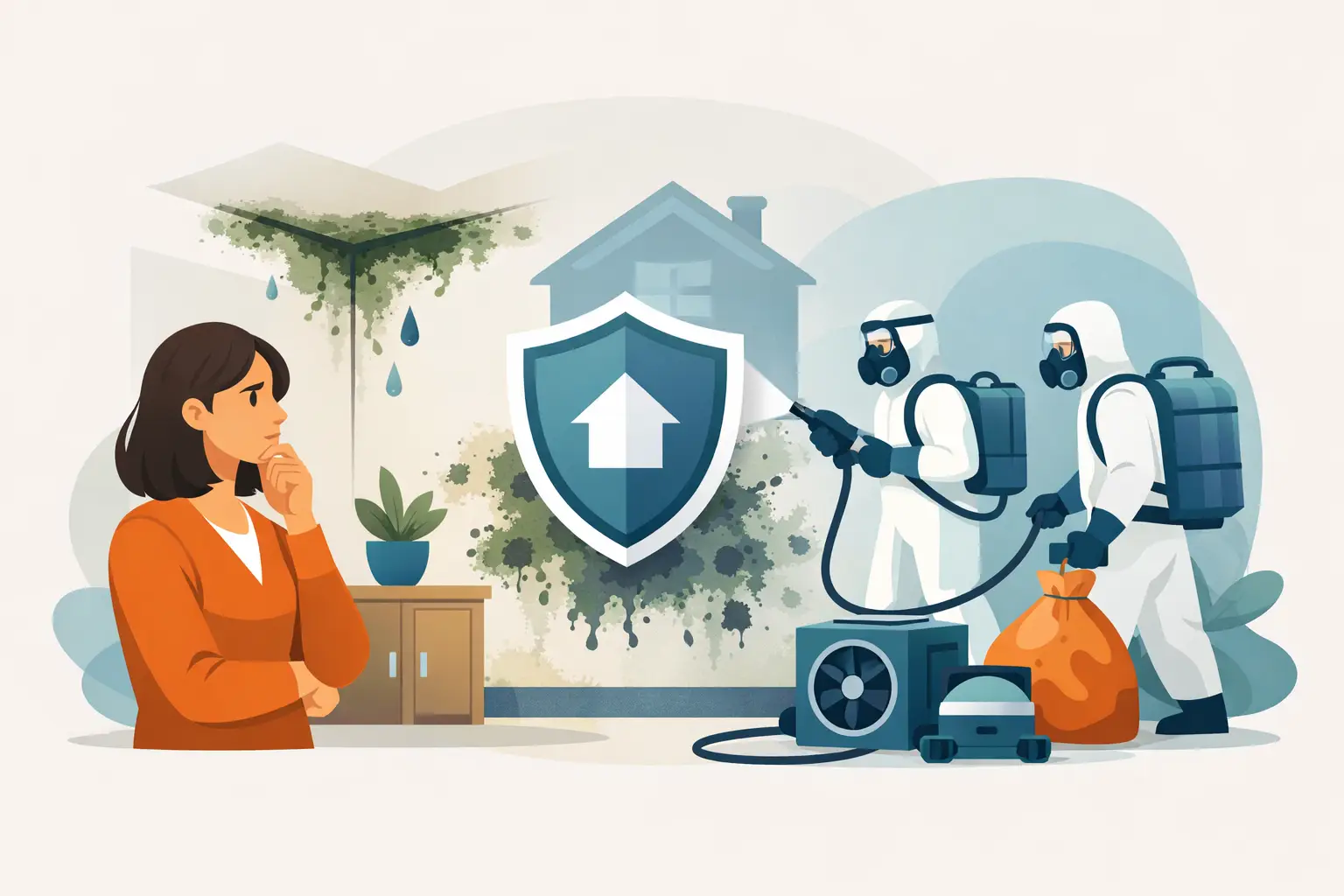
A musty basement, staining around a bathroom ceiling, or dark growth near a leaking pipe is not a problem to put off until next month. A qualified mold remediation company can find the moisture feeding the problem, contain affected areas, remove mold correctly, and help dry the structure before damage spreads further. For homeowners in Mason and nearby communities, fast action can protect the home, its contents, and the rooms your family uses every day.
Mold is usually a sign of a moisture issue that has been present longer than it should have been. It may follow a flooded basement, toilet overflow, drain backup, roof leak, plumbing leak, or poor drying after water damage. Cleaning the visible surface without fixing the source often leads to the same problem returning.
Signs You Need a Mold Remediation Company
Not every small spot of mildew requires a major restoration project. A little surface growth caused by condensation may be handled with routine cleaning once the humidity problem is corrected. But a larger, recurring, hidden, or water-damage-related issue calls for a professional inspection and a clear remediation plan.
Call for help when you see mold spreading across drywall, baseboards, insulation, framing, carpet backing, or stored belongings. A persistent musty odor also matters, especially in a basement, crawl space, bathroom, laundry room, or behind finished walls. If the odor remains after cleaning, moisture or contamination may still be present where you cannot see it.
Recent water damage is another reason to act quickly. A basement that was wet for several days, a bathroom floor soaked by an overflow, or drywall saturated by a pipe leak can create conditions for mold growth even after the standing water is gone. The surface may look dry while moisture remains trapped in materials below it.
Homeowners should also be cautious after sewage backups. Sewage-contaminated water is not simply a drying issue. It requires proper cleanup, removal of affected porous materials when necessary, disinfection, and controlled drying to reduce contamination and prevent secondary mold growth.
What a Mold Remediation Company Actually Does
Professional remediation is more than spraying a product on a wall. The work begins by identifying where moisture entered, how far it traveled, and what materials are affected. Technicians inspect visible conditions and use moisture-detection equipment to check areas that may still be damp behind walls, under flooring, or inside cabinetry.
The next step is containment when the affected area warrants it. Containment helps limit the movement of dust and mold spores into clean parts of the home during removal. Depending on the scope, this can include sealed work areas, controlled airflow, and careful handling of debris.
Affected materials are then cleaned, removed, or treated based on their condition. Nonporous surfaces can often be cleaned when the material is sound. Porous materials such as wet drywall, insulation, carpet padding, or particleboard may need to be removed because they can hold moisture and contamination deep within the material. The right approach depends on the source, duration of moisture, extent of growth, and condition of the building materials.
Just as important, the area must be dried to an appropriate level. Air movers, dehumidifiers, and moisture monitoring are used to help dry structural materials. If the water source is not corrected, no mold cleanup will hold up for long. A dependable restoration crew addresses both sides of the job: removing the contamination and correcting the conditions that allowed it to grow.
Why Drying Matters Before Mold Gets Worse
Many mold calls begin as water damage calls. A small supply-line leak under a sink may go unnoticed. A slow shower-pan leak can dampen a bathroom subfloor. A foundation seepage issue can leave a basement wall wet after heavy rain. When water extraction and structural drying happen promptly, there is often a better chance of limiting demolition and preventing mold from taking hold.
That is why it helps to work with a company equipped for both water restoration and mold remediation. The same team can extract water, inspect moisture, place drying equipment, monitor the drying process, and address mold if it has already developed. This reduces delays between discovering a problem and getting the home back to a clean, dry condition.
Kans Water Restoration brings 15 years of hands-on restoration experience to water and mold problems in the Mason area. Our trained technicians use industry-standard drying and remediation methods guided by IICRC water restoration and applied microbial remediation practices. The goal is straightforward: remove the problem, dry the property properly, and give you a clear path forward.
What to Expect During Mold Remediation
A good remediation job starts with an honest assessment. You should understand what caused the issue, which areas are affected, what materials may need to come out, and what the work will involve. Mold behind a small bathroom vanity is a different job from mold throughout a finished basement after a flood. The scope should match the actual conditions, not a one-size-fits-all package.
During active work, homeowners may need to stay out of the contained area. If removal involves drywall, flooring, insulation, or other damaged materials, there may be noise, equipment, and temporary disruption. That is a trade-off worth making when it prevents a hidden moisture problem from continuing inside the structure.
After removal and drying, the area should be visibly clean and free of remaining moisture concerns. In some situations, especially larger losses or properties with specific documentation needs, independent post-remediation testing may be appropriate. It depends on the size of the project, the nature of the contamination, and whether you need additional verification for a property transaction, insurance matter, or peace of mind.
Do Not Cover Up the Warning Signs
Paint, caulk, air fresheners, and household cleaners can hide a symptom for a short time. They do not stop a leak, dry wet insulation, or remove mold from inside a wall cavity. Covering stains before the area is inspected can also make it harder to understand how far the water traveled.
If you have discovered suspected mold, avoid disturbing a large affected area until it can be assessed. Do not run fans that blow directly across visible growth, and do not tear into wet walls without a plan for containment and cleanup. If a leak is active, shut off the water supply when it is safe to do so and get help quickly.
Insurance coverage can vary, particularly when damage results from a long-term leak or maintenance issue. Even when coverage is uncertain, documenting the damage and responding quickly can limit the overall cost. Waiting often means more materials are affected, more drying is needed, and a small repair becomes a larger restoration project.
Local Help for Mold and Water Damage
A mold issue can make a home feel unsettled fast. Whether you are dealing with a damp basement in Mason, a bathroom leak in West Chester, a flooded lower level in Loveland, or moisture damage elsewhere in the Cincinnati area, the first priority is finding and stopping the source.
If you see growth, smell persistent mustiness, or have recently had water where it does not belong, arrange an assessment before the problem has more time to spread. Getting the area professionally inspected and dried now can save you from a much bigger repair later.

